
A supermarket freezer plan can cut a weekly food bill, but only when it replaces wasteful fresh purchases rather than adding extra food to the basket. The biggest savings usually come from frozen vegetables, fruit, fish, meat portions, bread and batch-cooked meals that stop half-used ingredients being thrown away. The plan works best when it is small, labelled and built around food you already eat.
This guide tests the idea as a household habit, not as a promise that every frozen product is cheaper. Prices vary by store, pack size and season, and some frozen convenience meals can cost more than cooking from basic ingredients. The practical question is whether freezer-first shopping helps a household buy fewer duplicates, waste less fresh food and still eat balanced meals.
Where frozen food usually saves money
Frozen food is most useful when it solves two common budget problems: short shelf life and unpredictable portions. Fresh spinach, berries, fish, herbs, sliced bread and prepared vegetables can be good value if used quickly, but they become expensive if half the pack is wasted.
Frozen vegetables are often the easiest win. Peas, sweetcorn, spinach, mixed vegetables, broccoli and peppers can be cooked straight from frozen and used in omelettes, pasta, curries, soups, rice bowls and tray bakes. Because the bag stays usable for longer, a household can take only what it needs.
Frozen fruit can also make sense for smoothies, porridge, yoghurt bowls and baking. Fresh berries are useful when texture matters, but frozen berries are often better for households that buy fruit with good intentions and then watch it soften in the fridge.
Bread is another strong candidate. A sliced loaf, rolls, bagels or wraps can go into the freezer and be used one portion at a time. For small households, this can be one of the simplest ways to stop repeat top-up shops.
Protein can save money when bought as plain frozen fish, chicken portions, mince, prawns or vegetarian protein rather than heavily prepared items. The saving is not automatic. A large bag of breaded portions may be convenient, but a basic frozen ingredient usually gives more flexibility.
Where a freezer plan can increase waste
A freezer plan fails when the freezer becomes a second cupboard for forgotten food. Buying large frozen packs because they look cheaper can backfire if the household does not have space, labels or a plan for using them.
The main waste risks are duplicate buying, freezer burn, overstocking and buying foods that do not fit normal meals. A household that rarely cooks fish will not save money by buying a large frozen fish pack. A family that does not eat mixed vegetables will not become cheaper to feed because three bags are on offer.

Convenience is another trap. Frozen pizzas, desserts, chips and ready meals may still be useful in a real household plan, especially if they prevent an expensive takeaway, but they should not be counted automatically as budget savers. The freezer should hold building blocks first and shortcuts second.
The strongest test is simple: would this item replace something you already buy, or is it just an extra? If it is an extra, it belongs in the treat or convenience budget, not the savings plan.
Food safety rules that matter before cost
Food safety should come before savings. The Food Standards Agency gives guidance on chilling and freezer handling, including keeping chilled food cold, following storage instructions and being careful when defrosting food. A freezer plan is only useful if food is stored, thawed and cooked properly.
In practice, that means checking freezer instructions on the pack, freezing suitable fresh food before it passes its use-by date, labelling portions with the date, and defrosting food safely when needed. Many foods can be cooked from frozen if the packaging says so, but some need defrosting first. The cooking instructions matter.
Leftovers should be cooled and stored promptly, then reheated thoroughly when used. Households should be especially careful with rice, cooked meat, fish and dishes containing dairy. If a food looks or smells wrong, or if storage is uncertain, the saving is not worth the risk.
The NHS healthy eating guidance is also relevant. A freezer-first plan should not become a plan built only around beige convenience foods. Frozen vegetables, fruit, fish, beans, wholegrain bread and home-cooked portions can support balanced meals, but the overall plate still matters.
A simple one-week freezer-first plan
Start with a freezer audit before shopping. Write down what is already there, especially opened bags and unlabelled boxes. Build the week around those items first, then buy only the missing pieces.
| Day | Freezer-first idea | Fresh or cupboard support |
|---|---|---|
| Monday | Frozen vegetable pasta | Pasta, tomato sauce, grated cheese |
| Tuesday | Frozen fish or vegetarian protein | Potatoes, salad or peas |
| Wednesday | Batch-cooked chilli or curry | Rice, yoghurt or flatbread |
| Thursday | Omelette with frozen spinach or peppers | Eggs, toast, side salad |
| Friday | Freezer pizza or home-prepped tray bake | Fresh vegetables on the side |
| Saturday | Soup from frozen veg and leftovers | Bread from the freezer |
| Sunday | Roast-style meal using frozen portions | Fresh greens or seasonal veg |
This plan is deliberately ordinary. The point is not to cook seven perfect meals; it is to reduce the number of emergency shops and stop fresh ingredients from dying in the fridge.
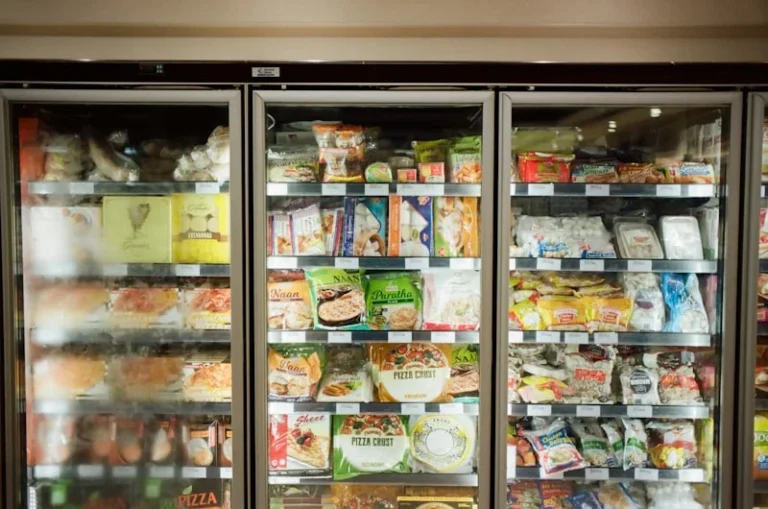
A useful weekly rhythm is: one frozen vegetable base, one frozen protein, one frozen bread product, one batch-cooked meal and one flexible convenience item. That gives structure without turning the freezer into a warehouse.
Fresh food is still better in some situations
Fresh food is still the better choice when texture, flavour or speed of use matters. Salad leaves, tomatoes for eating raw, fresh herbs, some fruits, eggs, milk and short-life items that will definitely be used may be worth buying fresh.
Seasonal fresh vegetables can also beat frozen on price and quality. Carrots, onions, cabbage, potatoes and apples are often budget-friendly and keep well when stored properly. A smart freezer plan does not replace fresh food; it protects the household from overbuying fresh food that is unlikely to be eaten in time.
The best approach is split shopping. Buy sturdy fresh ingredients for meals you know will happen, then use frozen ingredients for flexible meals, backup portions and foods that often go to waste.
How to test the plan without changing everything
Try the freezer-first method for one week before doing a major stock-up. Choose three items that often go to waste in your home and replace them with frozen versions. Common test items are berries, spinach, sliced bread, peppers, fish fillets and mixed vegetables.
Set one rule: every frozen item bought this week must appear in a named meal. If it does not have a job, do not buy it.
At the end of the week, check three things: how much fresh food was thrown away, whether top-up shops fell, and whether meals still felt acceptable. If the plan saved money but made cooking more frustrating, adjust it. If it reduced waste and made weeknight meals easier, keep the parts that worked.
A supermarket freezer plan is not a magic budget fix. It is a stock-control habit. Used carefully, it can make a weekly shop more predictable, reduce wasted fresh food and give a household more meals from the food already paid for.
Source: Food Standards Agency
Source check How this guide was checked
This article uses practical household budgeting logic alongside public guidance on safe food storage and balanced eating.
- Checked Food Standards Agency guidance on chilling and freezer handling.
- Used NHS healthy eating guidance as the health context.
- Separated budget-saving freezer staples from convenience foods that may cost more.
- Included safety caveats before recommending storage or defrosting habits.
- Source
- Food Standards Agency
- Scope
- United Kingdom
- Updated
- 2026-05-29 00:16
Source check
Report a trust issue
Send a clear signal to community moderation if the source, facts or context need review.
Article contextPeople & topics#7
What do you think about this article?
Reader Ideas Newsroom
Have a sharper angle for this topic? Add it to the community idea board and let readers vote it up for editorial review.




/linkComments
8+ useful words can earn +10-60 DP; shorter replies can still publish without DP.