By Munisha Living Desk for munisha.co.uk | Updated 27 May 2026
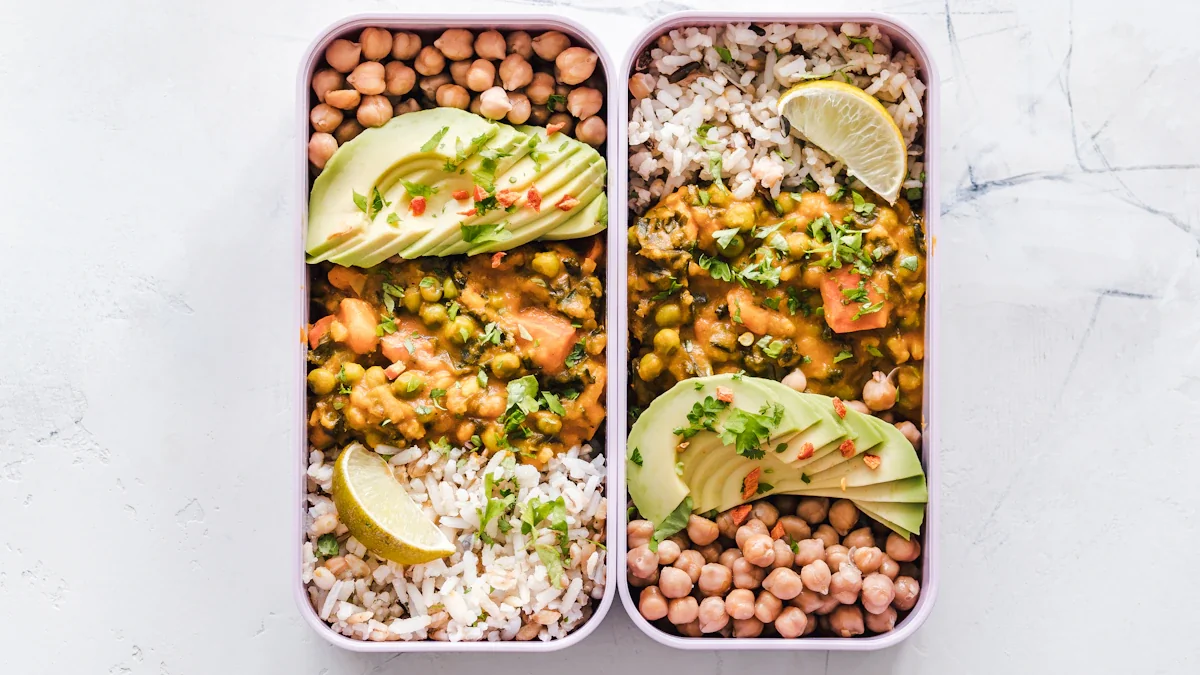
Yes, a supermarket freezer plan can cut a weekly food bill, but only when it replaces wasted fresh food, expensive top-up trips and last-minute meals. It is not automatically cheaper to fill a freezer. The real saving comes from buying the right frozen basics, using them in planned portions, and keeping food safe enough that it actually gets eaten.
The reader idea is useful because many households are trying to reduce waste without turning dinner into a spreadsheet. A freezer-first week works best as a practical routine: choose a few frozen anchors, keep fresh food for texture and quick eating, and avoid buying bulk packs just because they look like a bargain.
The bill only falls when frozen food prevents waste
Frozen food saves money in three main ways. First, it gives you more time. Frozen vegetables, fruit, fish, meat, bread and leftovers can sit ready for later meals, so they are less likely to be thrown away because plans changed.
Second, it helps with portion control. A bag of peas, berries or diced onions lets you use a handful rather than opening a whole fresh pack. That matters for smaller households, shift workers and anyone who cooks unevenly through the week.
Third, it reduces emergency spending. If the freezer already holds a meal base, a tired Wednesday can become pasta with vegetables and tuna, rice with frozen stir-fry vegetables, or soup with frozen bread instead of a delivery order or an extra shop.
The saving is weaker when frozen food is used as an add-on to the normal shop. If the basket still includes too much fresh produce, too many chilled meals and several frozen back-ups, the freezer becomes extra stock rather than a replacement plan.
Frozen foods that usually earn their freezer space
The best freezer buys are foods where the fresh version often spoils before use, or where frozen portions are genuinely easier to manage.
| Freezer item | Why it can save money | Main risk |
|---|---|---|
| Mixed vegetables, peas, spinach and sweetcorn | Easy to add to pasta, rice, curry, omelettes and soups without waste | Buying blends nobody in the house likes |
| Frozen berries and sliced fruit | Useful for porridge, yoghurt and smoothies in small amounts | Paying more for premium mixes when plain fruit would do |
| Fish fillets, chicken pieces or meat-free protein | Portionable meal anchors for several dinners | Forgetting to defrost safely in time |
| Bread, wraps and rolls | Helps households that never finish a loaf fresh | Freezer burn if packaging is poor |
| Homemade sauces, stews and soups | Turns one cooking session into future meals | Not labelling portions, then ignoring them |
| Chopped onions, herbs and garlic | Reduces prep and waste from half-used fresh packs | Some herbs lose fresh texture and are better cooked |
This does not mean every frozen product is good value. Frozen chips, premium ready meals and branded desserts can be convenient, but they may not reduce the bill if they replace cheaper home-cooked staples.
A simple one-week freezer-first plan
Start with three freezer anchors, two fresh top-ups and one leftovers slot. That is enough structure without filling every drawer.
Monday: Use frozen vegetables with pasta, tinned tomatoes and grated cheese. Keep any extra sauce for Thursday.
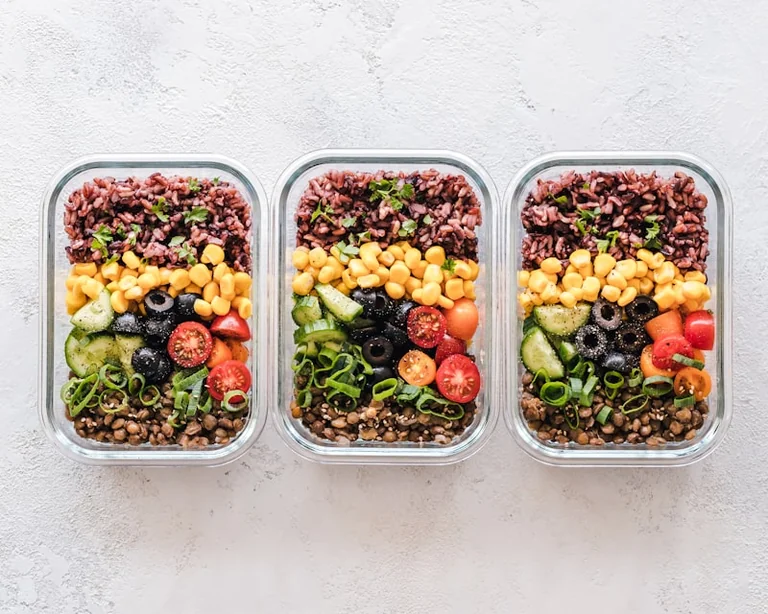
Tuesday: Cook frozen fish or chicken with rice and a fresh salad. Move Wednesday’s protein from freezer to fridge so it can defrost safely.
Wednesday: Make a stir-fry with frozen mixed vegetables, noodles or rice, and the defrosted protein. Add fresh spring onions, cucumber or lime if they fit the budget.
Thursday: Use Monday’s saved sauce with baked potatoes, pasta or beans. Freeze any remaining sauce in a labelled portion.
Friday: Use frozen bread or wraps for quick toasties, soup or filled wraps. This is the anti-top-up-shop night.
Saturday: Cook a larger batch of chilli, curry, stew or vegetable soup. Eat some now and freeze two clearly labelled portions.
Sunday: Keep it flexible. Use fresh items that need eating first, then add frozen vegetables or bread only if needed.
A small freezer version of this plan can still work. Keep one bag of vegetables, one loaf or pack of wraps, one protein option and one homemade portion. The aim is not to store everything. It is to create a reliable fallback.
Where a freezer plan can waste money
The most common mistake is buying for an imaginary version of the household. If nobody wants frozen cauliflower rice, a large discounted bag is still a poor buy. A freezer plan should be built around meals people already eat.
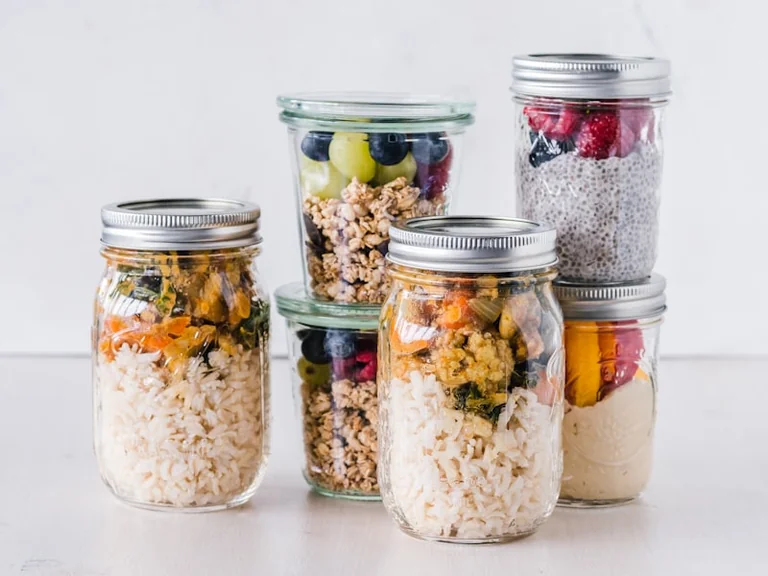
The second mistake is failing to label food. A container without a date or description is easy to ignore. Write the food name, date and portion size before freezing. Use older portions first.
The third mistake is overfilling the freezer. If food is packed too tightly, you cannot see what is there. It also becomes harder to rotate older items and plan meals around them.
Bulk offers need caution. A large frozen pack is only cheaper if the unit price is lower and the household will actually use it. Compare shelf labels, then ask whether the freezer space is worth it.
Safety rules that protect the saving
A freezer plan only works if food is handled safely. The Food Standards Agency says a fridge should be kept between 0 and 5C and a freezer should be around minus 18C. A simple fridge thermometer can help check this.
The same guidance says most foods can be frozen if the label allows it, and food can be frozen up to the end of its use-by date. Leftovers and homemade food should be cooled, portioned and frozen as soon as possible. Warm dishes should be cooled before going into the freezer, and dividing food into smaller containers helps them cool faster.
Defrosting is where many plans go wrong. Food should usually be defrosted in the fridge, in a container that catches drips. Once fully defrosted, it should be used within 24 hours. Food should be fully thawed before cooking unless the packet instructions say it can be cooked from frozen.
Freezer burn is another caveat. It affects quality rather than safety, but dry, icy food is less likely to be eaten. Airtight containers, freezer bags and proper wrapping protect the saving.
When fresh food is still the better choice
Fresh food is still the better buy when texture matters, when the pack size is small enough to finish, or when the price is clearly lower for the amount you will use.
Fresh salad leaves, tomatoes, cucumbers, apples, bananas and herbs often make meals feel brighter and more satisfying. Some can be frozen for cooking, but they will not always work in raw dishes. A freezer-first plan should still leave room for fresh fruit and vegetables.
The NHS Eatwell guidance encourages a balanced diet built around fruit and vegetables, starchy carbohydrates, protein foods, dairy or alternatives, and small amounts of unsaturated oils and spreads. Frozen vegetables, fruit and protein can fit that pattern, but the freezer should support variety rather than narrow the week to beige convenience food.
Fresh is also better if the frozen version comes with sauces, salt, sugar or coatings you would not otherwise choose. Plain frozen ingredients give you more control.
A quick test before you shop
Before trying a freezer-first week, open the freezer and write down what is already there. Build three meals from existing food before buying more. Then choose only the gaps: one vegetable, one protein, one bread or grain back-up, and one fresh item that makes meals more enjoyable.
After seven days, judge the plan by waste, not by theory. Did you throw away less food? Did you avoid at least one top-up trip? Did you eat the frozen items you bought? If the answer is yes, the plan is probably worth repeating. If the freezer is fuller and the fridge still produced waste, the plan needs to be smaller, not bigger.
Source: Food Standards Agency
Source check How this guide was checked
This guide combines practical household planning with Food Standards Agency freezer safety advice and NHS Eatwell guidance.
- Food Standards Agency chilling, freezing and defrosting guidance checked
- NHS Eatwell guidance used for general balance context
- Cost examples are practical scenarios, not live supermarket price claims
- Source
- Food Standards Agency
- Scope
- United Kingdom
- Updated
- 2026-05-27 00:17
Source check
Report a trust issue
Send a clear signal to community moderation if the source, facts or context need review.
Article contextPeople & topics#7
What do you think about this article?
Reader Ideas Newsroom
Have a sharper angle for this topic? Add it to the community idea board and let readers vote it up for editorial review.


/linkComments
8+ useful words can earn +10-60 DP; shorter replies can still publish without DP.