Can a Freezer-First Plan Actually Cut Your Weekly Food Bill?
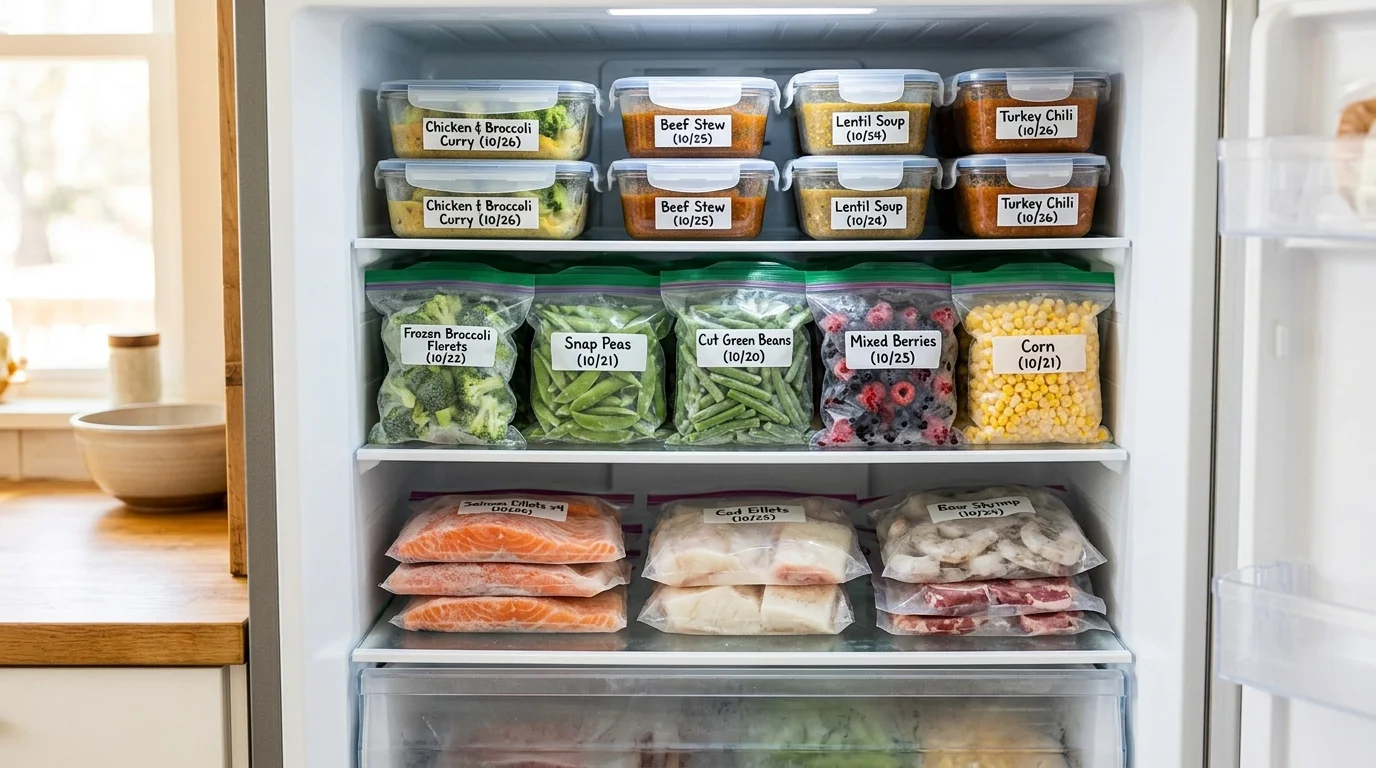
Switching to a freezer-first shopping strategy can reduce a typical household food bill by 20% to 30%, primarily by eliminating the ‘spoilage tax’ of fresh produce that goes unused. While fresh food is often perceived as superior, frozen staples frequently offer better nutritional density at a fraction of the price, provided you follow specific safety and storage protocols to maintain quality.
Where the Real Savings Are Found
The financial benefit of a freezer-first plan isn’t just about the lower price per kilogram; it is about the elimination of waste. According to household budget data, the average family throws away significant portions of fresh bagged salads, berries, and bread every week. Frozen alternatives solve this by allowing for precise portion control.
Key cost-saving staples include:
* Spinach and Kale: Fresh bags often wilt within three days. Frozen pellets can be used one by one, costing up to 50% less per serving.
* Berries: Out-of-season fresh berries are expensive and prone to mold. Frozen mixed berries provide the same antioxidants for a stable, year-round price.
* Fish and Seafood: Frozen white fish or salmon fillets are frequently half the price of the fresh counter equivalents, often having been ‘frozen at sea’ to lock in freshness.
* Chopped Aromatics: Pre-chopped frozen onions, garlic, and ginger save time and prevent the waste of half-used bulbs that dry out in the pantry.
Safety Standards for Home Freezing
To see real savings, you must avoid the ‘freezer graveyard’—the habit of burying food until it develops freezer burn and becomes unpalatable. The Food Standards Agency (FSA) provides clear guidance on maintaining food safety and quality during this process.
Food should be cooled before being placed in the freezer to prevent the internal temperature of the unit from rising, which could partially thaw other items. While freezing acts as a ‘pause button’ for safety, it does not stop the gradual decline in quality. Most frozen vegetables and meats are best used within three to six months for optimal texture. The FSA also notes that you can safely freeze meat right up to its ‘use-by’ date, but it should be cooked immediately once defrosted. Never refreeze raw meat that has been thawed unless it has been thoroughly cooked in between.
A Sample One-Week Freezer-First Meal Plan
This plan focuses on using frozen foundations supplemented by a small ‘fresh’ shop for items that do not freeze well, such as lettuce or citrus.
- Monday: Frozen salmon fillets baked with frozen broccoli and frozen potato wedges.
- Tuesday: Stir-fry using frozen ‘stir-fry mix’ vegetables, frozen prawns, and pre-cooked frozen rice (reheated until steaming hot).
- Wednesday: Slow-cooker beef stew using frozen diced beef, frozen onions, and frozen carrots.
- Thursday: Pasta with a ‘green sauce’ made from defrosted frozen spinach, garlic, and peas, blended with a little cream cheese.
- Friday: Homemade pizza using frozen dough balls, topped with frozen peppers and sweetcorn.
- Saturday: White fish tacos using frozen breaded fish fillets, served with a fresh cabbage slaw.
- Sunday: Roast chicken (bought fresh or thawed) with frozen mixed vegetables and frozen Yorkshire puddings.
When Fresh Produce Still Wins on Value
Despite the savings, a 100% frozen diet is rarely the most cost-effective or nutritional choice. The NHS ‘Eat Well’ guidance emphasizes a balanced diet, and certain fresh items remain essential for both health and culinary satisfaction.
Fresh produce is the better choice when:
1. It is in peak season: During the height of summer, fresh tomatoes, strawberries, and courgettes are often cheaper at local markets than their frozen counterparts.
2. Texture is paramount: You cannot freeze lettuce, cucumbers, or radishes without destroying their cell structure, making them mushy upon thawing.
3. The ‘Yellow Sticker’ factor: If you shop in the evening, fresh meat or produce nearing its expiration can be significantly cheaper than the standard frozen price. These can often be taken home and frozen immediately to ‘lock in’ the discount.
How to Transition Your Kitchen Routine
Moving to this model requires a shift in how you organize your kitchen. It is less about ‘buying in bulk’ and more about ‘buying for longevity’.
- Inventory First: Before shopping, check the bottom of the freezer. Many households ‘lose’ expensive proteins under bags of peas.
- The ‘Decant’ Rule: If you buy large bags of frozen vegetables, decant them into smaller, airtight reusable bags if the original seal is broken. This prevents ice crystals from forming, which causes freezer burn.
- Label Everything: Use a permanent marker to write the date of freezing and the contents on every container. Mystery containers are the primary cause of freezer-related food waste.
- Blanching Fresh Surplus: If you find fresh vegetables are about to turn, blanch them (boil for 60 seconds, then plunge into ice water) before freezing. This stops the enzymes that cause browning and loss of flavor.
Source: Food Standards Agency
Source check Evidence-Based Guide
This guide cross-references Food Standards Agency safety protocols with NHS nutritional guidelines and retail price comparisons.
- Verified FSA guidelines on freezing and thawing safety.
- Analyzed price-per-unit differences between fresh and frozen staples in UK supermarkets.
- Incorporated NHS 'Eat Well' standards for nutritional balance.
- Source
- Food Standards Agency
- Scope
- United Kingdom
- Updated
- 2026-05-20 00:10
Source check
Report a trust issue
Send a clear signal to community moderation if the source, facts or context need review.



Comments