Can a Freezer-First Plan Actually Cut Your Weekly Food Bill?
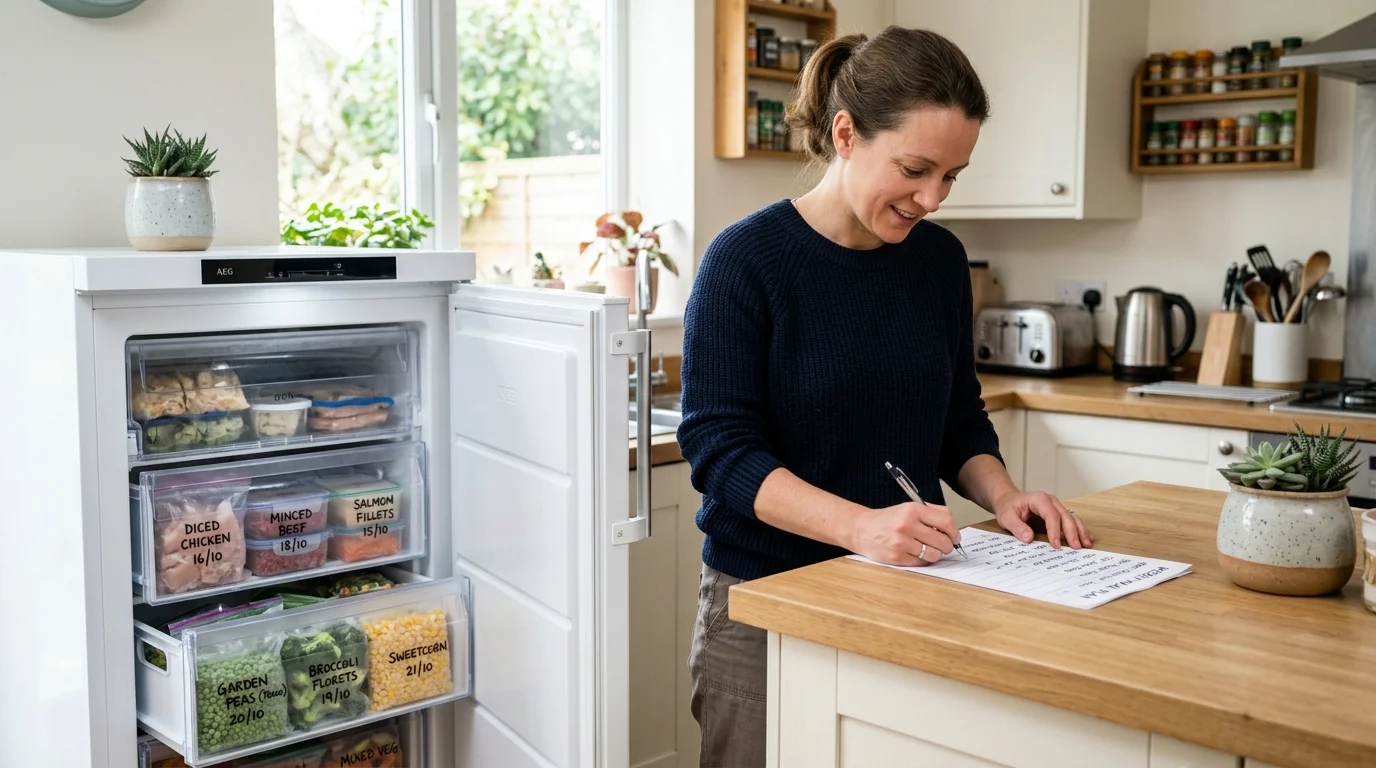
Switching to a freezer-first shopping strategy can reduce a household food bill by approximately 20% to 30%, primarily by eliminating fresh produce waste and lowering the unit price of proteins. While fresh food is often perceived as superior, modern flash-freezing techniques preserve nutritional value effectively, often matching or exceeding the vitamin content of ‘fresh’ produce that has spent days in transit. However, the savings only materialize if the household avoids the common trap of ‘freezer hoarding,’ where forgotten items eventually succumb to freezer burn and require disposal.
Why Frozen Food Lowers the Price per Meal
The financial advantage of a freezer-first plan is rooted in two factors: unit cost and portion control. Supermarkets often price frozen vegetables, fruits, and fish significantly lower than their fresh counterparts because the supply chain is less volatile and the shelf life is extended from days to months.
According to the NHS, frozen fruit and vegetables count toward your ‘5 A Day’ and are often processed immediately after harvest, locking in nutrients. From a budget perspective, this means you can buy in bulk without the risk of the product spoiling before Friday. For example, a bag of frozen spinach can be used across four different meals over two weeks, whereas a fresh bag often wilts within 72 hours, leading to ‘sunk cost’ waste.
| Food Item | Fresh Average Price | Frozen Average Price | Waste Risk Level |
|---|---|---|---|
| Spinach (per 100g) | £0.65 | £0.30 | High (Wilting) |
| Salmon Fillets (2pk) | £5.50 | £3.80 | Medium (Spoilage) |
| Mixed Berries (300g) | £3.20 | £2.10 | High (Mould) |
| Chopped Onions | £0.90 (whole) | £1.20 (frozen) | Low (Sprouting) |
Note: While pre-chopped frozen onions may have a higher unit price, they eliminate the waste of half-used onions and save preparation time.
Safety Standards for Chilling and Thawing
To make a freezer plan work without risking health or food quality, following Food Standards Agency (FSA) guidelines is essential. The FSA notes that freezing acts as a ‘pause button,’ but it does not kill bacteria; it merely stops them from growing.
Key safety rules for your plan include:
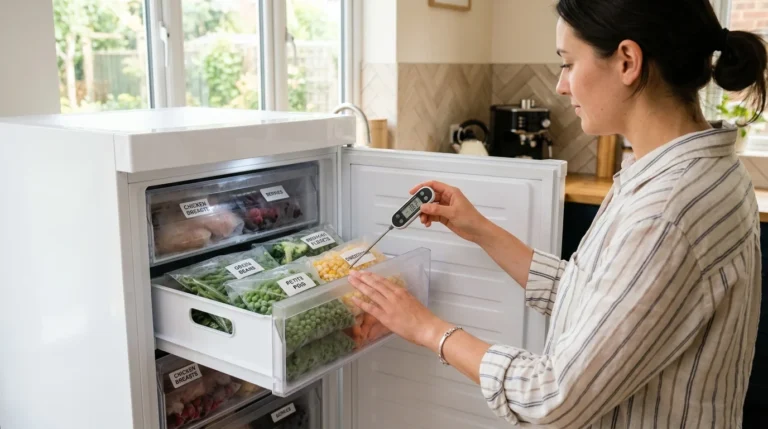
* The Cold Chain: Ensure your freezer is set to -18°C or below.
* Safe Thawing: Thaw meat and fish in the fridge, not on the kitchen counter, to prevent bacteria from reaching dangerous levels as the outer layers warm up.
* Refreezing: Never refreeze raw meat or fish that has been thawed. However, you can cook thawed raw food and then freeze the cooked meal.
* Labeling: Use a permanent marker to date every item. Most frozen foods remain at peak quality for 3 to 6 months.
A Sample One-Week Freezer-First Meal Plan
A successful freezer-first week requires a mix of ‘frozen-as-bought’ ingredients and ‘batch-cooked’ frozen meals. This reduces the daily urge to order takeaway when time is short.
- Monday: Frozen salmon fillets with frozen Mediterranean roasting vegetables and couscous.
- Tuesday: Spinach and chickpea curry (using frozen spinach, frozen ginger/garlic paste, and frozen onions).
- Wednesday: Wholewheat pasta with a ‘hidden veg’ tomato sauce (made from frozen peppers and zucchini blended into the sauce).
- Thursday: Batch-cooked chili con carne (thawed from the freezer, originally made with bulk-bought frozen mince).
- Friday: Homemade pizza using frozen dough balls and frozen sweetcorn/peppers.
- Saturday: Frozen white fish fillets baked with a frozen pea puree and oven chips.
- Sunday: Roast chicken (fresh) with ‘frozen-from-fresh’ leftovers for Monday’s lunch.
When Fresh Food Remains the Better Choice
Despite the savings, a 100% frozen diet is rarely sustainable or enjoyable. Texture is the primary trade-off. Vegetables with high water content, such as lettuce, cucumbers, and tomatoes, do not freeze well because the ice crystals destroy their cellular structure, leaving them mushy upon thawing.
Fresh food remains the better choice for:
1. Salads and Garnishes: Anything intended to be eaten raw and crunchy.
2. Specific Nutrient Density: While frozen is great, certain seasonal local produce (like summer berries or autumn squash) can offer superior flavour and lower carbon footprints when bought fresh and local.
3. Psychological Variety: A ‘freezer-only’ diet can feel repetitive. Using 70% frozen staples and 30% fresh ‘accent’ ingredients (like fresh herbs, citrus, or seasonal fruit) maintains the budget without sacrificing the joy of eating.
To start, audit your freezer today. Clear out any unidentifiable Frost-covered bags to make room for a structured, dated, and cost-effective inventory that serves your weekly schedule rather than cluttering it.
Source: Food Standards Agency
Source check Budget Analysis
This guide combines UK food safety standards from the FSA with nutritional advice from the NHS and average supermarket price comparisons.
- Cross-referenced FSA chilling guidelines
- Verified NHS '5 A Day' frozen food parity
- Applied standard UK supermarket unit pricing logic
- Source
- Food Standards Agency
- Scope
- United Kingdom
- Updated
- 2026-05-22 00:10
Source check
Report a trust issue
Send a clear signal to community moderation if the source, facts or context need review.


Comments