Very High Pollen Alert for London and South East Today
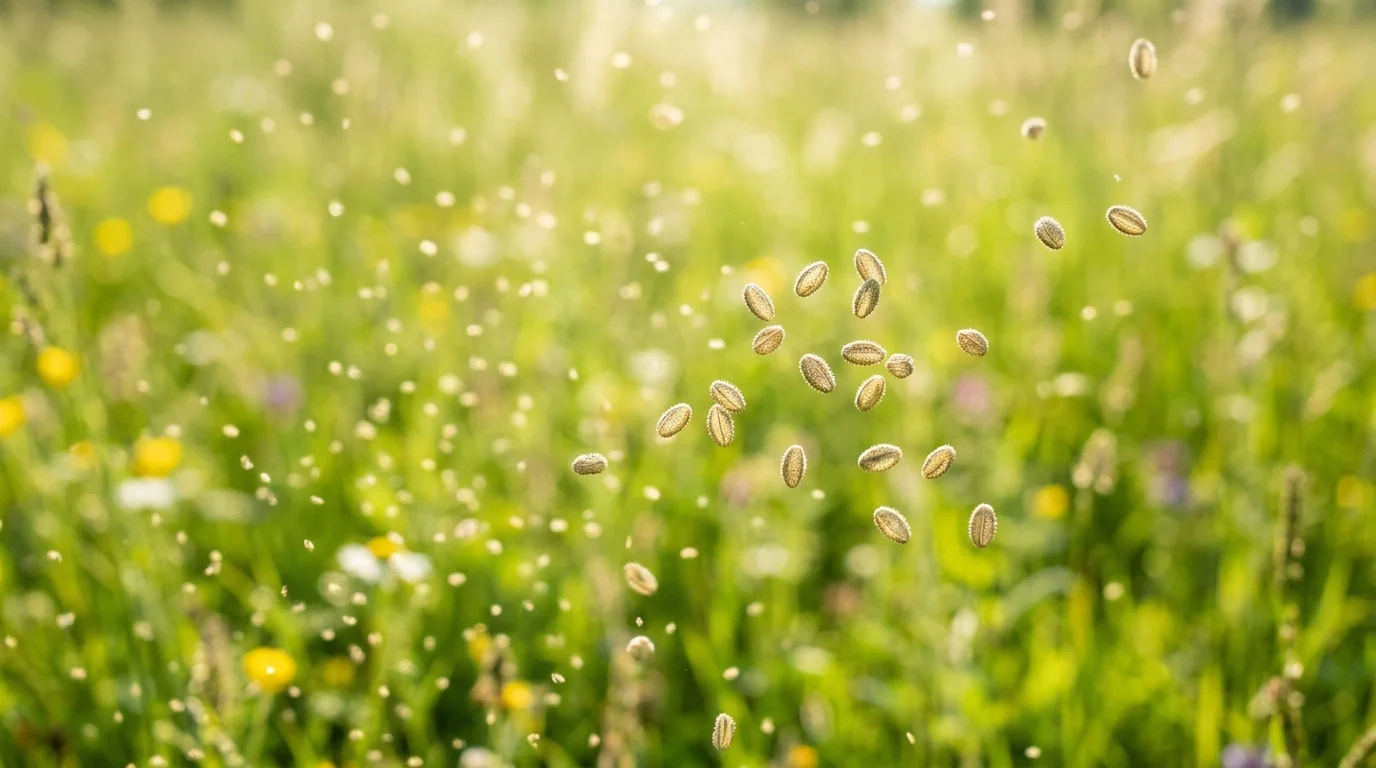
Residents in London, the South East, and the East of England are facing “Very High” pollen levels today, May 21, 2026. The Met Office has issued the alert as rising temperatures coincide with the peak of the grass pollen season, creating what experts call a “pollen bomb” effect for the UK’s 10 million hay fever sufferers.
While the southern half of the country deals with intense grass pollen concentrations, northern regions and Scotland are currently seeing a continuation of the tree pollen season, with Oak pollen remaining the primary trigger. The combination of dry, sunny weather and light winds is facilitating the simultaneous release of high concentrations of allergens, making today particularly challenging for those with respiratory sensitivities.
Regional Pollen Forecast for May 21
| Region | Pollen Severity | Primary Allergen |
|---|---|---|
| London | Very High | Grass |
| South East England | Very High | Grass |
| East of England | Very High | Grass |
| Midlands | High | Grass |
| Northern England | Medium to High | Oak (Tree) |
| Scotland & NI | Medium | Oak (Tree) |
Practical Steps to Manage Symptoms Today
Health experts from the NHS recommend several immediate actions to mitigate the impact of the high pollen count. Because grass pollen levels typically peak in the early morning and late evening, timing your outdoor activities is crucial.
- Create a Pollen Barrier: Apply a small amount of petroleum jelly (such as Vaseline) around the rim of your nostrils to trap pollen before it enters the airways.
- Protective Eyewear: Wear wrap-around sunglasses when outdoors to prevent pollen from coming into direct contact with the eyes.
- Laundry Management: Avoid drying clothes, towels, or bedding outside today. Pollen grains easily cling to damp fabrics, which can then bring the allergens into your sleeping environment.
- Home Maintenance: Keep windows and doors closed as much as possible, particularly in the South East where the count is at its maximum.
- Personal Hygiene: After spending time outdoors, shower and change your clothes to wash away any trapped pollen from your hair and skin.
Understanding the ‘Pollen Bomb’ Effect
The term “pollen bomb” refers to a phenomenon where a period of wet weather followed by a sudden spike in temperature causes different species of plants to release their pollen at the exact same time. This year, the transition from a damp spring to a warm May has compressed the release window, leading to the current surge in the South East. For many, standard over-the-counter antihistamines are most effective when taken before symptoms become severe; however, those with asthma should be particularly vigilant as high pollen counts can trigger more frequent use of reliever inhalers.
Frequently Asked Questions
Why is there a ‘Very High’ pollen warning for London and the South East today?
The alert is driven by a ‘pollen bomb’ effect, where rising May temperatures coincide perfectly with the peak of the grass pollen season. Because the weather is dry and sunny with only light winds, pollen grains remain concentrated in the air at nose level rather than being dispersed, creating high-risk conditions for the UK’s 10 million hay fever sufferers.
What is the most effective way to block pollen if I have to go outside?
To minimize exposure, apply a ‘pollen barrier’ of petroleum jelly (like Vaseline) around the rim of your nostrils to trap spores before they are inhaled. Pair this with wrap-around sunglasses to protect your eyes and ensure you change your clothes immediately upon returning home to avoid transferring allergens to your furniture and bedding.
How does this alert impact daily routines for residents in the South East?
Timing is critical today; grass pollen levels typically peak between 5 AM – 10 AM and again in the late evening. Residents should avoid outdoor exercise during these windows and keep windows closed—even at night. If you are commuting in London or the South East, keep car windows shut and set your ventilation to ‘recirculate’ to prevent drawing external allergens into the vehicle.
When will the pollen levels start to decrease across the UK?
High levels are expected to persist as long as the dry, warm spell continues. Pollen counts usually only drop significantly following heavy rain, which ‘washes’ the air, or a significant change in wind direction. You can track local shifts via the Met Office regional forecast; residents in the North and Scotland should note that while their levels are currently lower, they are still facing a prolonged Oak tree pollen season.
Source: Met Office
Source check Health & Weather Data
This advisory is based on the Met Office seasonal pollen forecast and official NHS hay fever management guidelines updated for May 2026.
- Met Office regional pollen levels verified for May 21, 2026
- NHS health advice protocols for allergen exposure confirmed
- Source
- Met Office Pollen Forecast
- Scope
- United Kingdom
- Updated
- 2026-05-21 08:07
Source check
Report a trust issue
Send a clear signal to community moderation if the source, facts or context need review.



Comments