UK Passport Fees Increase Today: New Costs and EU Entry Rules
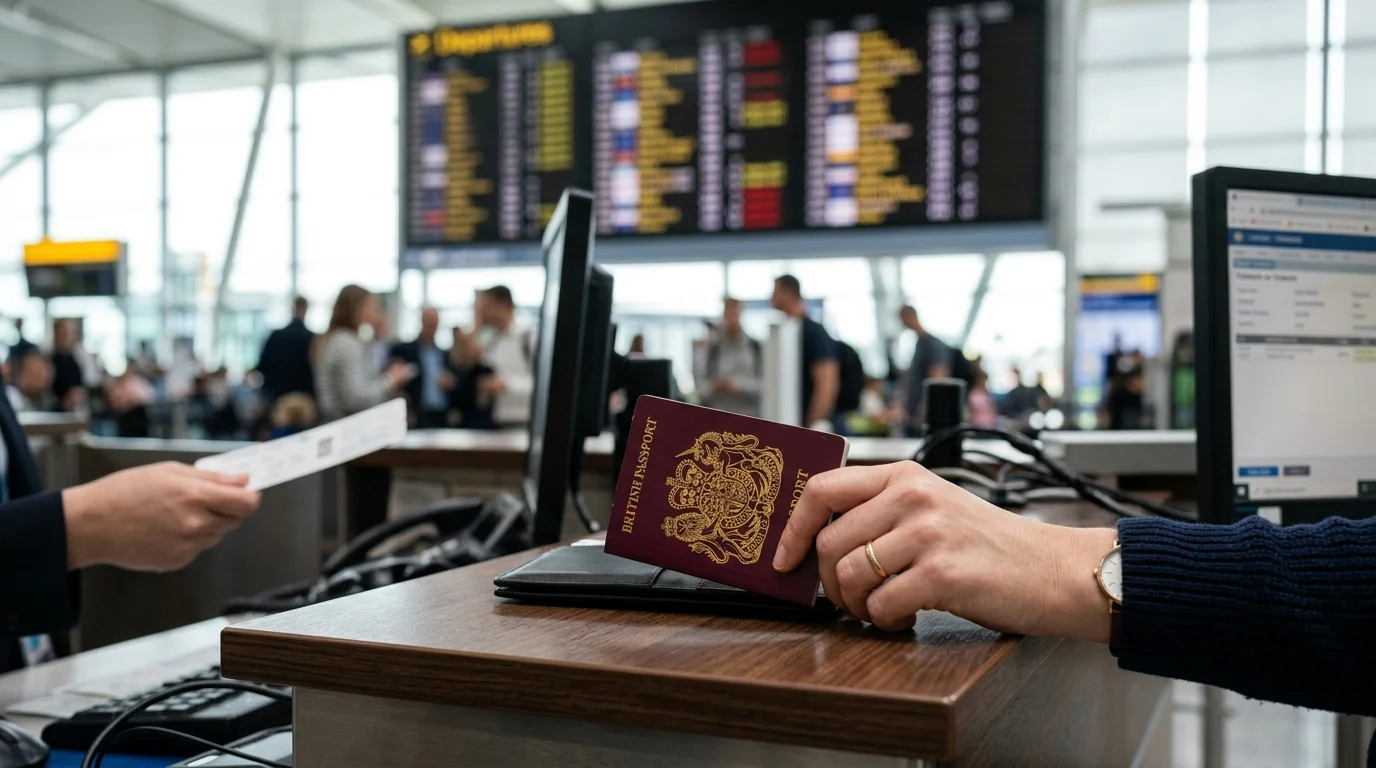
British travelers face higher costs for international travel starting today, May 16, 2026, as the Home Office implements a scheduled increase in passport application fees. The price for a standard adult online renewal has risen from £88.50 to £95.00. This change arrives just as the summer holiday season begins, prompting officials to issue urgent reminders regarding post-Brexit entry requirements for the European Union.
New Passport Fee Structure from May 16, 2026
The price adjustment affects all application types, including renewals and first-time passports. Applying online remains the most cost-effective method, as paper-based applications submitted via the Post Office continue to carry a significant surcharge.
| Application Type | Online Fee | Paper Fee |
|---|---|---|
| Adult Passport | £95.00 | £105.00 |
| Child Passport (Under 16) | £64.00 | £73.00 |
| Adult Frequent Traveler | £105.00 | £115.00 |
These fees apply whether you are applying from within the UK or overseas. If you are renewing a passport, the new fee is payable at the point of application submission.
The EU ’10-Year Rule’ and Validity Risks
Beyond the cost increase, travelers are being warned to verify their passport’s issue date, not just its expiry date. For entry into EU countries (excluding Ireland), two specific conditions must be met to avoid being turned away at the airport:
- The 10-Year Rule: Your passport must have been issued less than 10 years before the day you enter the EU.
- The 3-Month Rule: Your passport must have at least three months of validity remaining on the day you plan to leave the EU.
A critical complication exists for passports issued before September 2018. At that time, the UK government allowed up to nine months of remaining validity from an old passport to be added to a new one. While your passport might show an expiry date 10 years and nine months after issue, the EU ignores any time over the 10-year mark. If your passport is 10 years and one day old on the date of travel, it is considered expired for EU entry purposes, regardless of the printed expiry date.
Essential Travel Checklist
To ensure your documents are valid for the upcoming summer rush, follow these verification steps before booking your transport:
- Check the ‘Date of Issue’: Ensure this date is less than 9 years and 9 months ago if you plan to travel this week.
- Check the ‘Date of Expiry’: Ensure there is at least six months remaining to be safe, though the EU legally requires three months beyond your return date.
- Allow for Processing Times: HM Passport Office currently advises a wait time of approximately three weeks, though this can extend to ten weeks during peak summer demand.
- Verify Child Passports: Remember that child passports are only valid for five years; the 10-year rule does not apply, but the 3-month validity rule still does.
Frequently Asked Questions
How much does a UK passport cost following the May 2026 fee increase?
As of May 16, 2026, a standard adult online passport renewal costs £95.00, while a child’s online application is £64.00. If you choose to apply via a paper form at the Post Office, fees are higher: £105.00 for adults and £73.00 for children. These increases are part of the Home Office’s scheduled price adjustments to cover the rising costs of processing and security.
How do I calculate if my passport is valid for travel to the EU under the 10-year rule?
To enter the EU (excluding Ireland), you must pass two specific checks:
1. Issue Date Check: Look at the ‘Date of Issue’ on your photo page. It must be less than 10 years old on the day you enter your destination country.
2. Expiry Date Check: Your passport must have at least three months of validity remaining on the day you plan to leave the EU.
Actionable Tip: If your passport was issued before September 2018, ignore any ‘extra months’ added to your expiry date; the EU strictly calculates validity from the 10th anniversary of the issue date.
What are the immediate risks for travelers with passports issued before September 2018?
Travelers with ‘carry-over’ months on their passports face the highest risk of being denied boarding. Before late 2018, the UK allowed up to nine months of remaining validity from an old passport to be added to a new one, resulting in passports valid for nearly 11 years. However, because the EU does not recognize any time beyond the 10-year mark, your passport may appear valid on its expiry date but be legally expired for EU entry purposes. You should renew immediately if your issue date was more than 9 years and 9 months ago.
Where should I apply for a new passport and how long does the process take?
The fastest and most cost-effective way to renew is via the official GOV.UK passport website. While the Home Office currently aims to process most applications within three weeks, you are strongly advised to allow at least 10 weeks before your travel date to account for seasonal surges. For urgent travel, you can book a ‘Premium’ (1-day) or ‘Fast Track’ (1-week) appointment at a passport office, though these carry significantly higher fees.
Source: HM Passport Office
Source check Official Guidance
Data sourced from the HM Passport Office and the Foreign, Commonwealth & Development Office (FCDO) regarding fee changes effective May 16, 2026.
- Verified new fee schedule via gov.uk/passport-fees
- Confirmed EU entry requirements via FCDO travel advice
- Cross-referenced 10-year rule impact on pre-2018 passports
- Source
- HM Passport Office
- Scope
- United Kingdom
- Updated
- 2026-05-19 10:52
Source check
Report a trust issue
Send a clear signal to community moderation if the source, facts or context need review.




Comments