The Price of a Name: Inside the Legal Battle for Lithuania’s Iconic Band Rondo

Aleksandras Ivanauskas, known to generations of music fans simply as Fara, should by all accounts be settling into a quiet retirement. As the leader of Rondo, one of Lithuania’s most enduring and commercially successful musical acts, he has spent decades on stage. Yet, instead of reflecting on a peaceful legacy, the veteran bassist and vocalist has found himself navigating the sterile corridors of courtrooms, defending the very name he kept alive for over thirty years.
The conflict surrounding Rondo is a cautionary tale of fame, intellectual property, and the shifting loyalties of former collaborators. For nearly two decades, the band’s brand was essentially left to Ivanauskas alone. He registered the trademark, managed the bookings, and ensured the music continued to reach audiences while other former members moved on to different lives. However, as the band entered a new “golden age” of popularity and high-value bookings, those long-absent figures returned with legal claims, sparking a bitter dispute over ownership and financial rights.
A Legacy Under Fire: The Fight for the Rondo Name
The crux of the dispute lies in a seventeen-year period of silence from Ivanauskas’s former bandmates. During this time, the Rondo brand was maintained solely through his efforts. Ivanauskas explains that he registered the name out of necessity, as he was the only remaining member actively performing and producing under the moniker.
“For seventeen years, no one cared about this brand,” Ivanauskas recently shared in a candid discussion. “We continued to play, we changed musicians, we created music, and we participated in projects. Not one person asked how Rondo was doing or if we were okay.” The sudden re-emergence of former associates claiming a stake in the band’s success has been a painful experience for the musician, who describes himself as a naturally peaceful person. He views the situation as a systemic issue within the industry, noting that similar conflicts have recently plagued other established groups, such as the pop collective 69 Danguje. The pattern is often the same: once a group achieves significant financial stability after years of hard work, claimants appear to demand a share of the “empire” they previously abandoned.
The Financial Reality of a “Golden Age”
Despite the legal distractions, Rondo remains one of the most sought-after acts in the region. Their schedule is a testament to their enduring appeal, with Ivanauskas noting that they are already fielding multiple offers for high-profile New Year’s Eve performances. This commercial viability is precisely what Ivanauskas believes fueled the legal challenges. “It’s all about the money,” he admits, pointing to the reality that a successful brand is a valuable asset that others naturally want to claim once the risk of failure has passed.
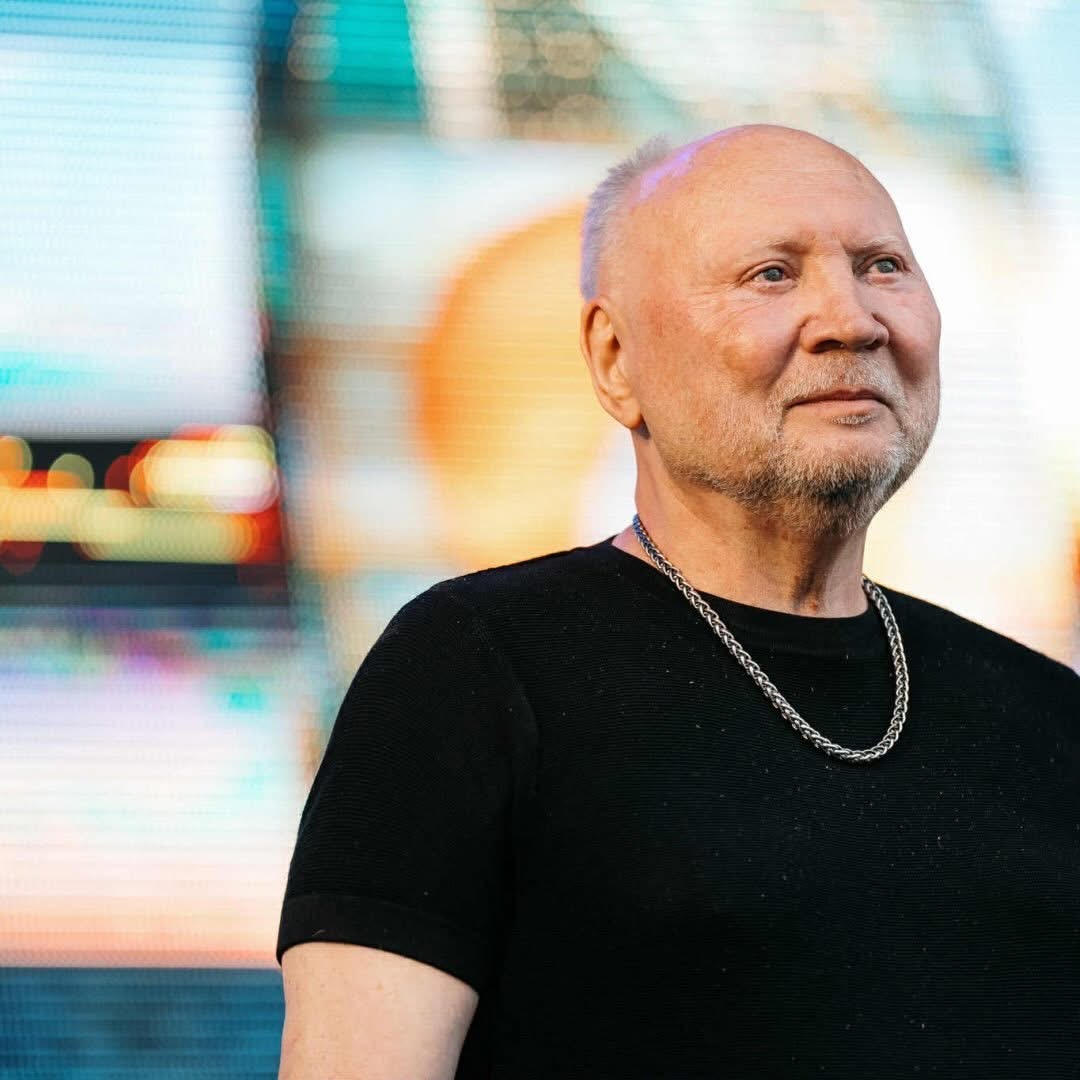
For younger artists entering the industry today, Ivanauskas offers stern advice: do not rely on blind trust. He urges new creators to formalize their partnerships and protect their intellectual property from the very beginning. The emotional toll of facing former friends in court is significant, and Ivanauskas hopes that by speaking out, he can prevent the next generation of performers from falling into the same legal traps that have complicated his later career.
Resilience Beyond the Spotlight: Health and Family
While the legal battles and the rigors of a packed touring schedule would exhaust many, Ivanauskas draws strength from his personal life. He has been married to his wife, Rima, for nearly fifty years—a rare feat of stability in the volatile world of entertainment. Despite the romantic themes of his songs, he humorously admits he is far from a traditional romantic in daily life, preferring the practical support and long-term partnership they have built.
His resilience is also tested by health challenges, which he manages with the same pragmatic approach he applies to his career. Rather than letting physical setbacks slow him down, he continues to plan for the future, with a summer schedule that leaves almost no day free. For Fara, the music and the connection with the audience are worth the legal headaches and the physical demands of the stage. He remains the face of Rondo, not just by legal right, but through decades of unwavering commitment to the craft.
Source: ELTA


Comments