Shropshire Streets Set for Faster Litter Bin Collections

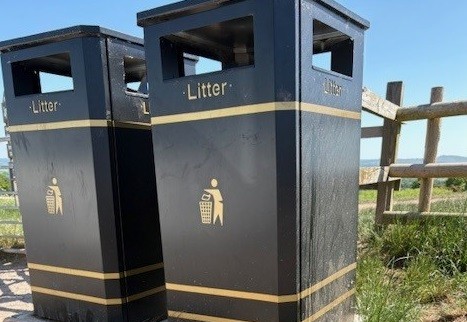
Shropshire residents are set to see cleaner public spaces as a new data-driven approach to waste management rolls out across the county. The initiative focuses on reducing response times for overflowing bins and optimizing collection routes in both urban and rural areas.
📌 Key Highlights
* Deployment of fill-level sensors in high-traffic zones.
* Real-time routing for collection vehicles to reduce carbon emissions.
* Increased frequency for popular parks and riverside walks.
* New reporting system for residents via the municipal portal.
Smart Sensors Drive Collection Efficiency
The upgrade introduces IoT (Internet of Things) sensors to hundreds of bins in Shropshire’s busiest town centers. These devices alert waste teams when a bin reaches 80% capacity, allowing for “just-in-time” collections rather than following fixed, often inefficient, schedules.
| Service Area | Collection Strategy |
|---|---|
| Town Centres | Sensor-based, real-time response |
| Rural Laybys | Weekly scheduled maintenance |
| Public Parks | Peak-time daily rotations |
| Residential Hubs | Bi-weekly check-ins |
Targeted Response for Parks and High Streets
By analyzing historical data, the new system identifies seasonal spikes in litter, such as during summer months in Shrewsbury’s Quarry or Ludlow’s historic center. Resources are now shifted dynamically to prevent environmental hazards before they occur.
The transition to this digital-first model aims to cut unnecessary vehicle mileage by 15%, contributing to the county’s broader carbon reduction targets. Residents can track the status of local bins and report issues through a revamped mobile interface.
Frequently Asked Questions
Why is Shropshire moving to a sensor-based bin collection system?
Shropshire is shifting from fixed-schedule collections to a ‘just-in-time’ model to eliminate the inefficiency of checking empty bins. By installing IoT sensors that trigger alerts at 80% capacity, the council can prevent overflows in high-traffic areas like Shrewsbury and Ludlow while simultaneously reducing unnecessary vehicle mileage by approximately 15%.
How can I report an overflowing bin using the new digital system?
To report a problem, access the Shropshire Municipal Portal on your mobile device. Unlike older manual forms, the new interface allows you to pin the bin’s exact location on a map or scan a local asset ID. This data is fed directly into the real-time routing software, alerting the nearest collection vehicle to add your report to their immediate route.
What impact will these smart bins have on my local neighborhood and environment?
Residents will notice two primary benefits: cleaner public spaces and reduced traffic congestion. The data-driven routing ensures that collection trucks spend less time on the road—cutting carbon emissions—and resources are dynamically shifted to ‘hotspots’ like parks and riverside walks during peak summer months or public holidays to prevent environmental hazards.
Where can I track the status of bin collections in my area?
Real-time updates and collection heatmaps are available via the Munisha.co.uk dashboard. As the rollout expands from urban centers to rural laybys, residents can use this portal to see when their local bins were last emptied and view the scheduled maintenance frequency for residential hubs and rural service points.
Source: Shropshire Council Newsroom



Comments