Rietavas Property Tax 2026: Municipality Freezes Business Rate at 0.5%

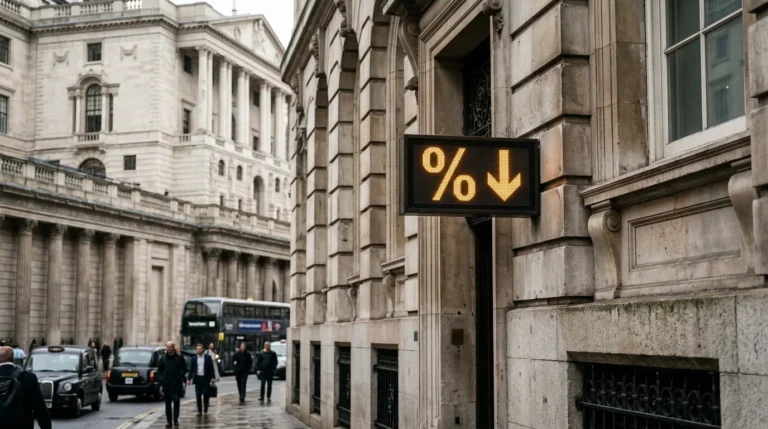
Rietavas municipality has officially committed to maintaining its real estate tax at the minimum national threshold of 0.5% for the 2026 fiscal year. This fiscal strategy, aimed at preserving a competitive business environment, has earned the local government formal recognition from the Lithuanian Business Confederation (LVK).
While many regions face pressure to increase local levies to balance budgets, the Rietavas Council’s decision to keep rates low is a calculated move to attract and retain investment. The policy distinguishes between active commercial use and neglected assets, using a tiered system to incentivize property maintenance and regional development.

2026 Real Estate Tax Rate Structure
The following table outlines the specific rates approved by the Rietavas Council for the upcoming 2026 period:

| Property Category | Tax Rate / Threshold |
|---|---|
| Standard Commercial & Real Estate | 0.5% of taxable value |
| Abandoned or Neglected Property | 4.0% of taxable value |
| Primary Residential Exemption | Up to €450,000 (Tax-free) |
| Primary Residential (Excess Value) | 0.1% on value exceeding €450,000 |
Strategic Incentives for Regional Growth
The 0.5% rate represents the lowest possible tariff under current Lithuanian law, serving as a clear signal to the private sector regarding the municipality’s long-term stability. During a recent visit to the region, LVK President Andrius Romanovskis presented an award to Mayor Antanas Černeckis, noting that such decisions are critical for regional competitiveness.

However, the policy is not purely about tax relief. The 4.0% levy on abandoned properties acts as a significant financial penalty for owners who fail to maintain their assets. This “carrot and stick” approach is designed to prevent urban decay while rewarding active businesses.
For international investors and UK-based firms exploring Baltic opportunities, these figures provide a predictable fiscal roadmap. The high exemption threshold for residential property (€450,000) also ensures that the local housing market remains accessible, with only high-value luxury estates falling into the 0.1% tax bracket. This balance between business attractiveness and social stability remains a cornerstone of the Rietavas economic model as it prepares for the 2026 tax cycle.
Source: Rietavo savivaldybė
Source check Official Municipal Data
Based on official tax rate resolutions passed by the Rietavas Municipal Council and reported by the Lithuanian Business Confederation.
- Verified 2026 tax rates against the Rietavas Council decision 'Dėl nekilnojamojo turto mok...
- Confirmed the participation of the Lithuanian Business Confederation (LVK) in the recognit...
- Cross-referenced residential exemption thresholds with standard Lithuanian property tax no...
- Source
- rietavas
- Scope
- Rietavas
- Updated
- 2026-05-18 08:53
Source check
Report a trust issue
Send a clear signal to community moderation if the source, facts or context need review.



Comments