Morning Light in June: How to Protect Your Sleep During Longer Days

As June brings the longest days of the year to the UK, many people notice their sleep quality beginning to shift. Extended daylight hours and early sunrises can disrupt the body’s internal clock, making it harder to fall asleep at night or stay asleep until the alarm goes off. While these shifts are a natural response to environmental changes, they can leave you feeling fatigued if your internal rhythm struggles to keep pace with the solar cycle.
How Light Exposure Affects Your Internal Timing
Your circadian rhythm, the body’s internal 24-hour clock, is primarily regulated by light. When light hits your eyes early in the morning, it signals your brain to stop producing melatonin, the hormone that promotes sleep. While this helps you feel alert, excessive light exposure late at night can delay that same process, pushing your bedtime further into the evening.
In the UK, the dramatic shift in daylight duration—where the sun may rise before 5:00 AM—can cause “social jetlag.” This occurs when your biological clock is out of sync with your social or work schedule. Because the brain is highly sensitive to the blue-wavelength light found in morning sunlight, early exposure acts as a powerful “zeitgeber” or time-giver. If you are exposed to this light too early, your body may interpret it as the start of the day, even if your alarm is set for much later. Conversely, long, bright evenings can suppress melatonin production, making it difficult to initiate sleep at your usual hour.
Optimizing Your Morning and Evening Routine
Consistency is the most effective tool for managing sleep during the summer. Even when the sun rises well before your alarm, try to maintain a stable wake-up time to anchor your rhythm.
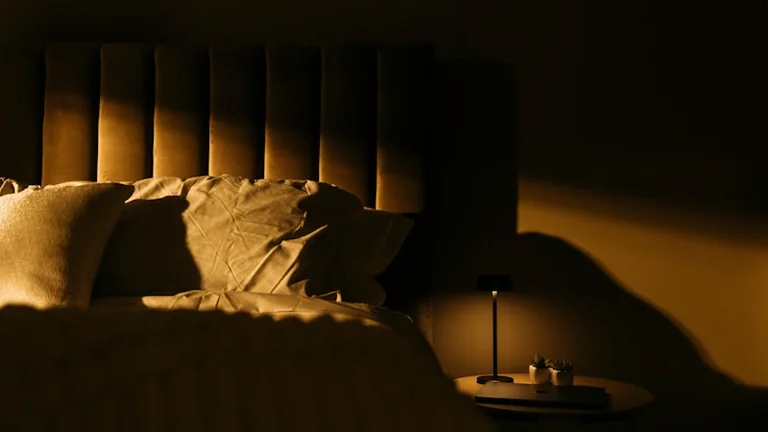
- Seek morning light: Aim for 10 to 15 minutes of outdoor light shortly after waking. This helps anchor your circadian rhythm for the day, signaling to your brain that the day has begun and setting the timer for melatonin release roughly 14 to 16 hours later.
- Dim your environment: As the evening approaches, reduce overhead lighting and limit screen time. Blue light from devices can suppress melatonin, making it harder to wind down. Consider using “warm” light settings on devices or switching to physical books in the hour before bed.
- Use blackout curtains: If early morning light is waking you prematurely, high-quality blackout curtains or blinds can create a dark environment. This is particularly effective for those living in urban areas where streetlights or early dawn light might otherwise penetrate the bedroom.
- Strategic caffeine management: Caffeine has a long half-life, meaning it stays in your system for several hours. To avoid it interfering with your sleep onset, consider stopping caffeine intake by early afternoon. For most people, this means avoiding coffee or strong tea after 2:00 PM.
Practical Considerations for Shift Workers
For shift workers or those with non-traditional schedules, the challenge of daylight is more pronounced. When your work hours conflict with the natural solar cycle, the body faces significant biological strain. To mitigate this, prioritize a strictly dark sleeping environment using high-quality eye masks and blackout curtains. Keeping consistent meal times, regardless of your sleep window, can also help provide the body with secondary cues for rhythm regulation. If you are transitioning between day and night shifts, gradual adjustments to your light exposure—such as wearing sunglasses during the commute home—can help protect your sleep onset.
Safety Caveats and Professional Guidance
These strategies are designed to support healthy sleep hygiene, not to cure medical conditions. Sleep is a complex biological process, and individual needs vary significantly. If you experience persistent difficulty falling or staying asleep, or if your sleep disruption is affecting your daily functioning, consult your GP.
It is important to recognize that lifestyle changes are not a substitute for clinical care. If you suspect you are suffering from chronic insomnia, sleep apnea, or other sleep disorders, professional medical intervention is necessary. A GP can help rule out underlying health issues that require specific diagnostic testing or treatment plans. Do not attempt to self-medicate with over-the-counter sleep aids without first discussing your symptoms with a healthcare professional, as these can sometimes mask deeper issues or lead to dependency.
Source: Editorial research
Source check Health Guidance
This guide focuses on standard sleep hygiene practices backed by chronobiology principles.
- Consult with a GP for persistent sleep issues
- Avoid using sleep aids without professional consultation
- Source
- NHS Sleep Guidelines
- Scope
- United Kingdom
- Updated
- 2026-06-08 17:06
Source check
Report a trust issue
Send a clear signal to community moderation if the source, facts or context need review.




Comments