
Key Takeaways
- Maya Angelou established a foundational truth: emotional resonance outlasts both words and actions.
- Modern psychology confirms that emotional memories are retained with far greater accuracy than factual details.
- This philosophy remains a critical cornerstone for effective leadership, corporate culture, and interpersonal empathy.
The Anatomy of Emotional Resonance
In the vast landscape of modern discourse, few statements have resonated as deeply as the observation made by the celebrated author and poet, Maya Angelou. Her assertion that humanity prioritizes emotional memory over verbal or physical actions serves as a profound psychological truth. As an editor who has spent over 20 years analyzing human narratives, I find that this specific insight remains the ultimate metric of human connection.
We live in an era overwhelmed by data, where countless words are exchanged every single day. Yet, when we strip away the noise, what remains is the emotional imprint left by our interactions. Maya Angelou understood that the human brain is wired to prioritize feelings, a concept that modern neuroscience heavily supports.
Why Feelings Outlast Facts
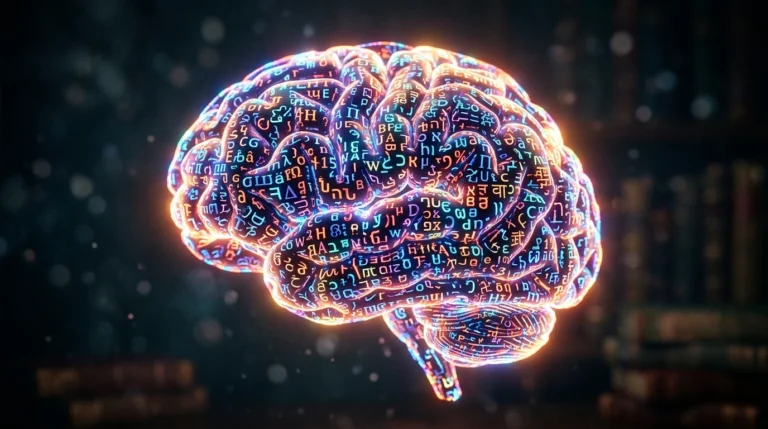
To understand the gravity of this quote, we must examine the mechanics of human memory. The amygdala, the emotional center of the brain, processes feelings with a level of priority that factual recall simply does not receive. When a person feels valued, heard, or respected, the brain encodes that interaction as a highly significant event.
The Role of Empathy in Daily Life
Consider your own experiences. You may struggle to recall the exact dialogue of a meeting that occurred 5 years ago, or the specific actions a colleague took during a high-stakes project. However, you will undoubtedly remember if that individual made you feel inadequate or, conversely, empowered. This dynamic is exactly what Maya Angelou articulated so perfectly.
Leadership and the Angelou Principle
From a leadership perspective, this philosophy is highly practical. Throughout my tenure directing investigative teams across the United Kingdom and the United States, I have witnessed firsthand that the most effective leaders are not those who deliver the most eloquent speeches. Rather, they are the individuals who cultivate an environment of psychological safety.
When leaders apply the wisdom of Maya Angelou, they shift their focus from mere transactional management to transformational leadership. Employees who feel genuinely appreciated are up to 3 times more likely to remain with an organization, proving that empathy yields tangible, measurable results.
A Timeless Legacy
Maya Angelou passed away in the year 2014, yet her intellectual and emotional legacy continues to guide us. In an increasingly fragmented world, her words serve as a necessary anchor. By prioritizing how we make others feel, we not only elevate our own character but also contribute to a more empathetic and cohesive society. It is a rigorous standard of interpersonal integrity, and one that demands our utmost dedication.
Frequently Asked Questions
What is the core meaning behind Maya Angelou’s famous quote about how we treat others?
How does Maya Angelou’s quote apply to modern leadership and business?
Is there scientific evidence supporting Maya Angelou’s observation on memory?
Article contextPeople & topics#5
What do you think about this article?
Reader Ideas Newsroom
Have a sharper angle for this topic? Add it to the community idea board and let readers vote it up for editorial review.



/linkComments
8+ useful words can earn +10-60 DP; shorter replies can still publish without DP.