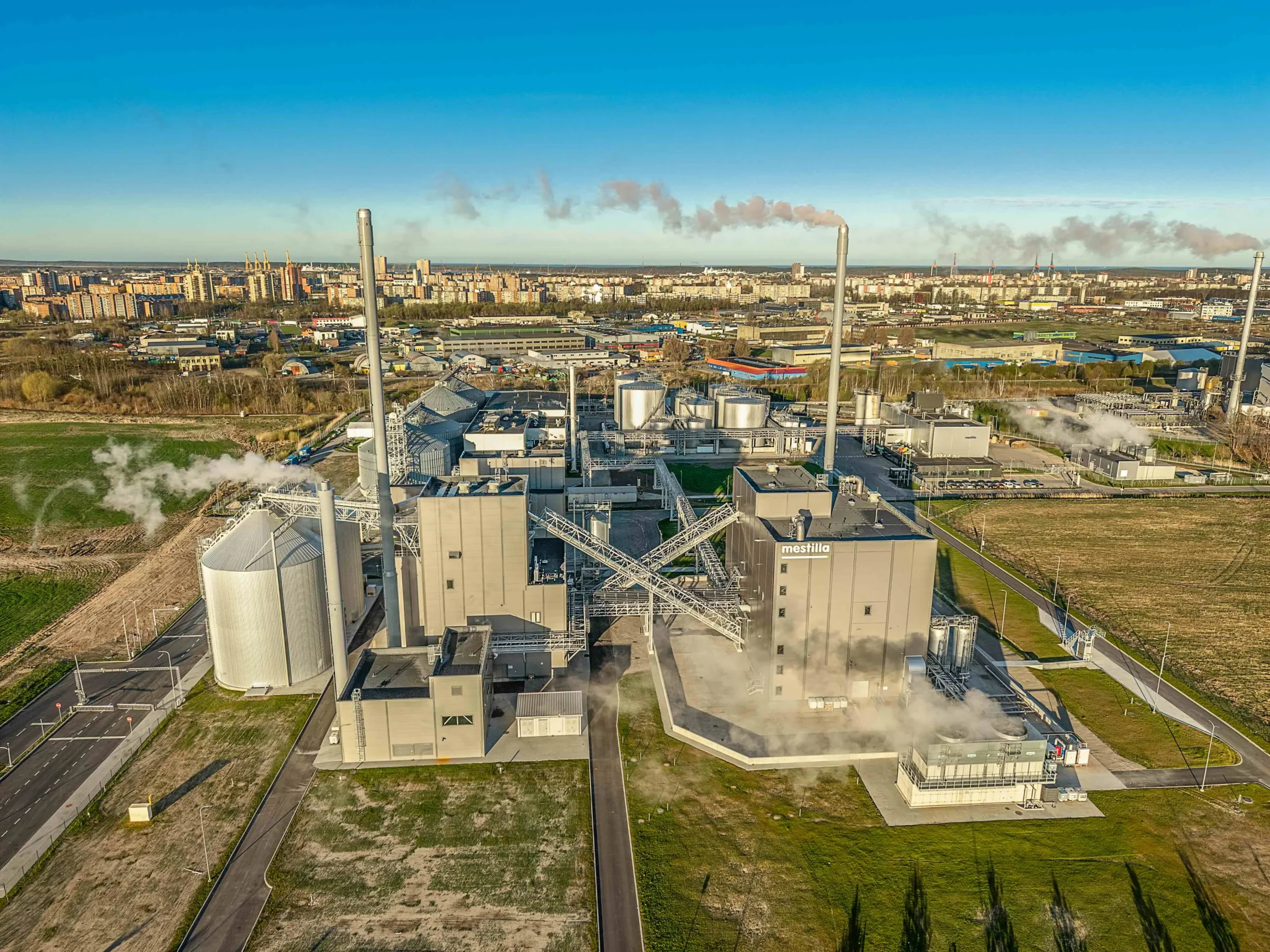
The Baltic energy and agricultural landscape has shifted significantly with the official opening of a €70 million next-generation rapeseed processing facility in the Klaipėda Free Economic Zone (LEZ). Operated by UAB MESTILLA, the new plant represents one of the region’s most substantial industrial investments, designed to process approximately 50% of Lithuania’s total annual rapeseed harvest.
The facility’s scale is a direct response to two decades of agricultural growth; since MESTILLA began operations in 2005, the Lithuanian rapeseed crop has expanded fivefold. By tripling its previous processing capacity, the company is positioning itself as a central pillar for both domestic energy security and the European protein feed market.
Industrial Scale and Output Metrics
The project was completed at what industry experts describe as a record pace. While similar industrial complexes in Europe typically require five years to develop, this facility transitioned from design to operation in just 3.5 years—including two years of planning and 1.5 years of active construction. At the height of the build, the site managed 50 contractors and a workforce of 500 people.
| Facility Specification | Data Point |
|---|---|
| Total Investment Value | €70 Million |
| Annual Processing Capacity | 500,000 Tons of Rapeseed |
| Annual Protein Feed Production | 300,000 Tons |
| Annual Biodiesel Production | 200,000 Tons |
| Project Construction Time | 18 Months |
| Current Replacement Value | ~€100 Million |
Arūnas Zubas, Director of MESTILLA, noted that while the project faced a 15% budget increase over original estimates due to shifting economic conditions, the investment remains highly efficient. He suggests that initiating the same project today would require an investment closer to €100 million due to rising construction costs and demand.
Strategic Energy and Agricultural Resilience
Beyond simple industrial output, the plant serves a strategic function for the Lithuanian state. In the event of a supply crisis, the biodiesel produced at this single site could satisfy up to 20% of the entire country’s diesel demand. This capability aligns with broader European Union goals to reduce reliance on imported fossil fuels through the use of local, renewable raw materials.
Currently, Lithuania mandates a 7% biodiesel blend in all diesel sold at the pump. By processing half of the national crop domestically, the facility reduces the need for raw seed exports while simultaneously cutting the import of high-protein animal feed, which is a critical component for the livestock sector. Approximately two-thirds of the plant’s finished products are destined for export markets, strengthening the national trade balance.
Technological Integration and Environmental Standards
The facility utilizes advanced oilseed processing solutions from the Belgian firm Desmet, a global leader in the sector. Engineering and systems design were handled by Sweco, with EIKA Development managing the construction phase.
Addressing long-standing concerns regarding the industrial impact on the Klaipėda region, the new plant integrates advanced odor management systems. Two 70-metre-high chimneys have been installed to ensure the effective dispersion of residual odors, a move intended to finalize environmental compliance issues that often accompany large-scale biofuel production.
As the transport sector faces increasing pressure to decarbonize, the expansion of the Klaipėda facility provides a scalable model for how Baltic states can leverage domestic agriculture to meet EU climate neutrality targets. The plant not only secures long-term demand for local farmers but also creates a high-value manufacturing chain that keeps the economic benefits of the harvest within the region.
Source: ELTA
Article contextPeople & topics3#5
What do you think about this article?
Reader Ideas Newsroom
Have a sharper angle for this topic? Add it to the community idea board and let readers vote it up for editorial review.



/linkComments
8+ useful words can earn +10-60 DP; shorter replies can still publish without DP.