Lithuania Moves to Lower Official Youth Age Threshold to 11: what residents need to know
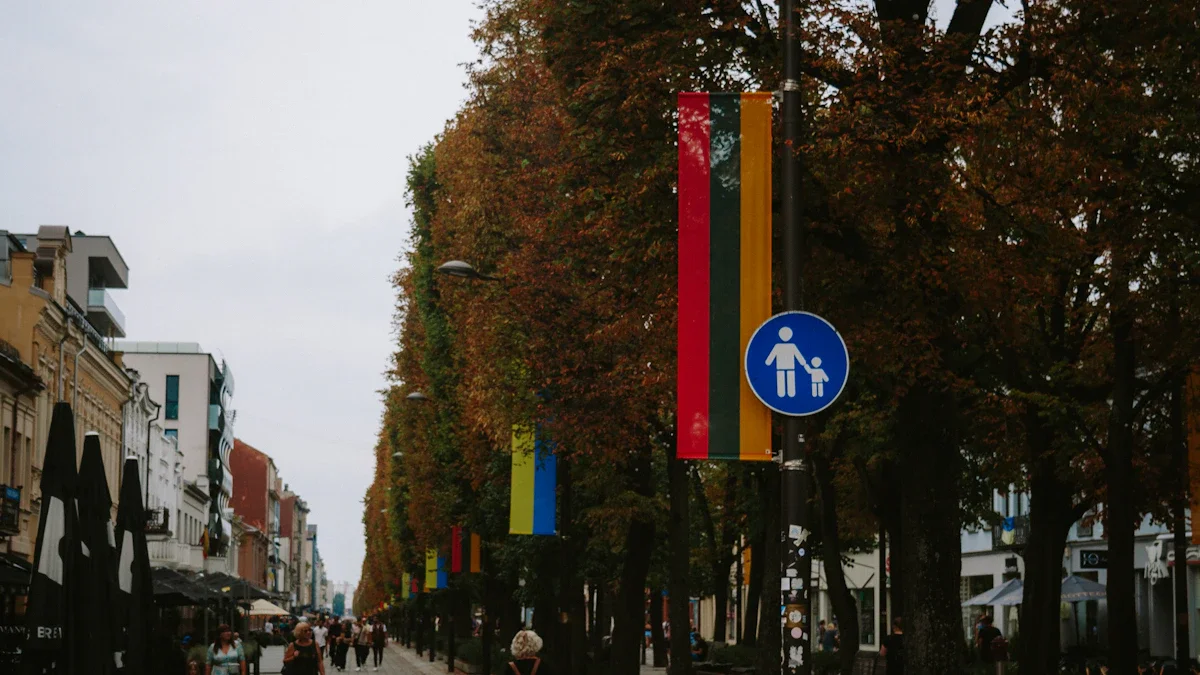
The Lithuanian Parliament (Seimas) is considering a significant legislative shift that would redefine the legal boundaries of adolescence. A new proposal aims to lower the minimum age of a “young person” from 14 to 11, a move designed to grant younger children access to state-funded youth services and formal membership in youth organizations.
The initiative has created a rare moment of political alignment between the opposition and the ruling government. While the proposal was originally spearheaded by members of the Liberal Movement, the Ministry of Social Security and Labour, led by Social Democrat Jūratė Zailskienė, has recently signaled its own support for an identical change. This consensus suggests a high probability that the amendment to the Law on the Framework of Youth Policy will pass, fundamentally altering how the state interacts with its youngest citizens.
Bridging the Gap in Early Adolescence
Under current Lithuanian law, the official designation of “youth” applies to individuals aged 14 to 29. This definition serves as the gateway for various state benefits, including participation in specialized youth projects, access to youth centers, and the ability to hold formal roles within youth-led NGOs. However, experts argue that the current 14-year-old threshold leaves a critical developmental gap.
Eglė Došienė, head of the Youth Affairs Agency, emphasizes that adolescence is psychologically recognized in three distinct stages: early (11–13 years), middle (14–15 years), and late (16–17 years). By lowering the legal age to 11, the state can begin implementing prevention-based programs during the early adolescence phase rather than waiting until a child reaches their mid-teens.

This shift is not merely symbolic. It allows for the creation of specialized programs tailored to the specific emotional and social needs of 11-to-13-year-olds. Legalizing their status as “youth” means they can officially join organizations, participate in democratic youth structures, and benefit from mental health initiatives specifically funded through youth policy budgets.
Political Consensus and Legislative Timing
The path to this consensus has been marked by political maneuvering. Liberal MP Edita Rudelienė noted that her party registered the amendment on January 30, following four months of consultations with youth organizations, municipal coordinators, and emotional health specialists. The Ministry of Social Security and Labour registered an identical proposal 103 days later, on May 13.
Despite the overlap in proposals, the Liberal faction has welcomed the government’s support. Rudelienė expressed that the identical nature of the two proposals removes any significant political obstacles to the bill’s passage. The shared goal is to ensure that the state’s duty of care extends to the beginning of the adolescent journey, reflecting a modern understanding of childhood development.

Practical Implications for Families and Organizations
For parents and educators in Lithuania, the change promises a more structured support system for children entering middle school. Youth organizations, which have often operated in a legal gray area when involving children under 14, will now have a clear framework for engagement. This includes legal protections and eligibility for funding specifically earmarked for youth activities.
Ema Šidlauskaitė, Chairperson of the Liberal Youth, described the expansion as an investment in a more civic-minded and active younger generation. By involving children in community and organizational life at age 11, proponents believe Lithuania can foster higher levels of social engagement and emotional resilience.
As the Seimas moves toward a final vote, the focus remains on the logistical rollout of these expanded services. The transition will require local municipalities to adapt their youth centers and programs to accommodate a younger demographic, ensuring that the “early adolescence” stage receives the specialized attention the new law intends to provide.
Source: ELTA
Source check Legislative Reporting
This report is based on official press releases from the Lithuanian Seimas and the Ministry of Social Security and Labour regarding proposed amendments to the Law on the Framework of Youth Policy.
- Verified the proposed age change from 14 to 11 in the official legislative draft.
- Confirmed the registration dates of the competing but identical proposals from the Liberal...
- Cross-referenced the psychological definitions of adolescence used by the Youth Affairs Ag...
- Source
- elta
- Scope
- Lithuania
- Updated
- 2026-05-19 10:01
Source check
Report a trust issue
Send a clear signal to community moderation if the source, facts or context need review.




Comments