
The primary rail artery connecting the Latvian capital of Riga to the coastal resorts of Jūrmala is undergoing a significant transformation. Starting May 19, the Tukums line—a vital route for both daily commuters and international tourists—will see a dramatic increase in frequency as major electrification and modernization works conclude. For those traveling to the Baltic coast, the update marks the end of construction-related delays and the return of a high-capacity, clockface schedule.
The modernization, overseen by the state-owned Latvijas dzelzceļš (Latvian Railway), has been a multi-year effort to upgrade the electrified network. With the infrastructure now fully operational, the national passenger carrier, Vivi, is transitioning back to an interval-based timetable. This means that during peak morning and evening hours, trains will depart every 15 minutes on the critical Riga–Dubulti section, effectively functioning like a high-frequency metro service for the region.
Faster Commutes and the ‘Baltic Riviera’ Connection
For the thousands of visitors who flock to Latvia’s white-sand beaches every summer, the timing of these upgrades is pivotal. Jūrmala, often referred to as the ‘Baltic Riviera,’ relies heavily on the rail link to manage the influx of sunseekers. The completion of the works doesn’t just mean more frequent trains; it means significantly faster ones.
Commuters traveling from Riga to Sloka, Ķemeri, or Tukums will see their journey times slashed by up to 30 minutes compared to the restricted schedules in place during the renovation period. This efficiency gain is largely due to the restoration of all tracks at stations, allowing trains to pass one another and use their designated platforms without waiting for single-track bottlenecks to clear.
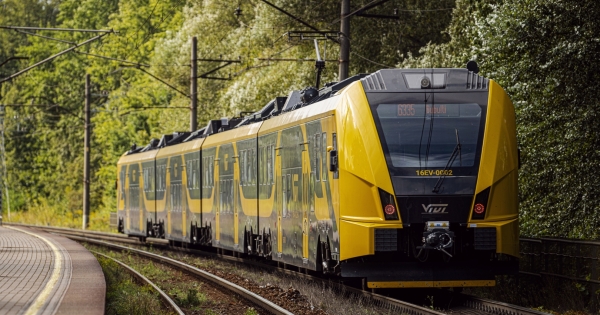
Furthermore, the transition to an all-train service is now complete. During the height of the construction, certain segments of the route were occasionally supplemented by buses. As of May 19, the entire Tukums line will be served exclusively by rail, providing a more seamless and comfortable experience for passengers with luggage, bicycles, or strollers.
A Two-Phase Rollout for Summer 2024
The service expansion is being implemented in two distinct phases to accommodate the start of the summer tourism peak. This phased approach ensures that the infrastructure is stable before the highest volume of passengers arrives at the end of May.
| Date | Service Change Description |
|---|---|
| May 19 | Introduction of 15-minute intervals during morning and evening peak hours. |
| May 30 | Full summer schedule begins; 15-minute intervals extended to midday. |
| Summer Peak | 7 additional weekday trips and 13 additional weekend trips added to the line. |
From May 30, the 15-minute frequency will no longer be restricted to the rush hour. Instead, it will extend through the middle of the day, ensuring that spontaneous trips to the beach are supported by a ‘turn up and go’ service level. This is a significant milestone for the region’s transport strategy, aiming to reduce car dependency on the busy A10 highway.
Modernization Beyond the Tracks
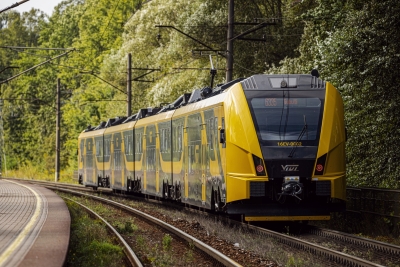
This update is part of a broader overhaul of the Latvian rail experience. The ‘Vivi’ brand, which recently replaced the legacy ‘Pasažieru vilciens’ identity, coincides with the introduction of a new fleet of electric trains (EMUs) manufactured by Škoda. These new trains offer level boarding, climate control, and modern amenities that were previously lacking on the route.
Passengers are encouraged to use the Vivi mobile app or website to view the updated ‘vilcienu saraksts’ (train schedule), as the changes affect every stop along the line. For international travelers, the app provides a digital ticket interface, which is often cheaper than purchasing paper tickets at the station.
As the summer season approaches, the focus now shifts to the stability of the new electrified grid. The next milestone for the Latvian rail network will be the full integration of these high-frequency schedules across other electrified lines, though the Tukums-Jūrmala route remains the flagship for this modernization effort.
Source: Tukuma novada dome
Article contextPeople & topics#5
What do you think about this article?
Reader Ideas Newsroom
Have a sharper angle for this topic? Add it to the community idea board and let readers vote it up for editorial review.

/linkComments
8+ useful words can earn +10-60 DP; shorter replies can still publish without DP.