Labour secures dominant Ealing majority to lead local services

Residents across Ealing now have a clear picture of their local governance for the next four years as the Labour Party secured a decisive majority in the latest council elections. This result grants the party full control over the borough’s strategic priorities and the management of essential services ranging from school funding to weekly bin collections until 2030.
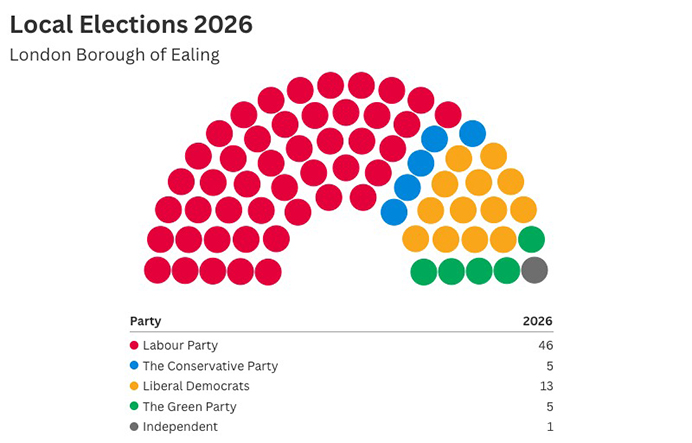
The Labour Party secured 46 of the 70 seats available on the council, establishing an overall majority that allows for a streamlined legislative process. This outcome follows a local election cycle where voter turnout reached 43.5% from a total electorate of 250,275. The remaining seats in the chamber will be held by a mix of opposition parties and one independent representative.
Key points from the Ealing election results
- Labour Party: 46 seats (Majority administration)
- Liberal Democrats: 13 seats
- Conservative Party: 5 seats
- Green Party: 5 seats
- Independent: 1 seat
- Total Councillors: 70 representing 24 wards
Labour secures majority for Ealing council services
With 46 seats, the Labour Party will form the administration of Ealing Council for a four-year term. This majority provides the party with the mandate to set the borough’s strategies and priorities without the requirement for a coalition. The administration oversees hundreds of local facilities and services that directly impact daily life for residents.
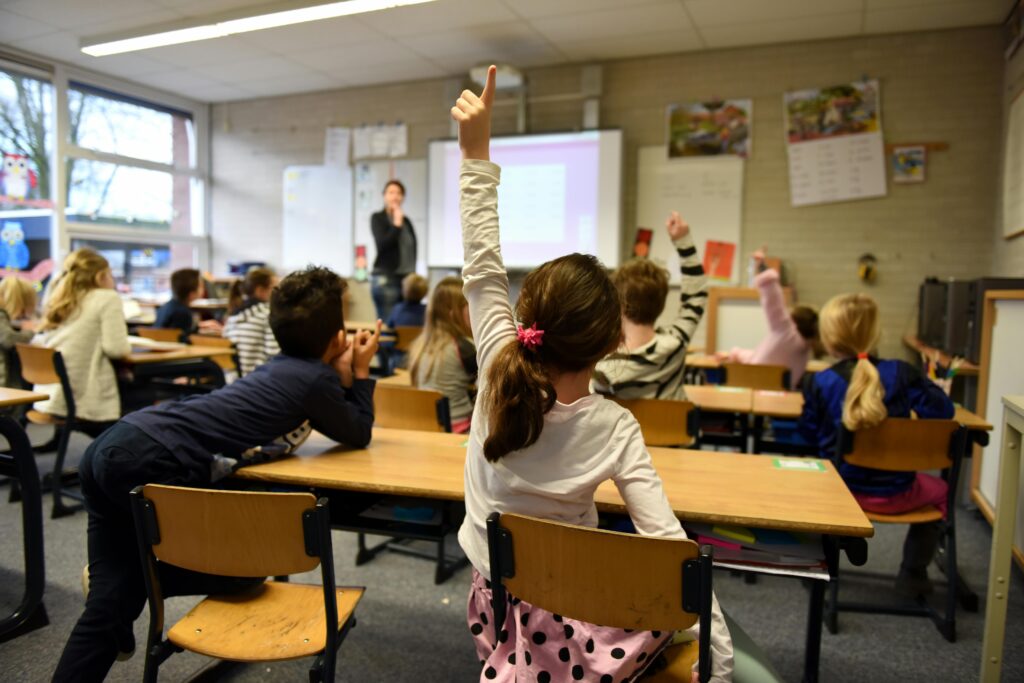
Key areas under council control include adult social care, the maintenance of leisure centres, and the management of local parks and libraries. The council also holds responsibility for street cleaning, council housing, and the operational logistics of many schools within the borough. The stability of a majority administration often allows for longer-term planning in infrastructure and public service delivery, as the political leadership remains consistent through 2030.
Breakdown of the new council chamber
The political make-up of the council sees the Liberal Democrats as the primary opposition with 13 seats. The Conservative Party and the Green Party hold five seats each, while a single independent candidate will also have a voice in the chamber. This distribution ensures that while Labour holds the majority, diverse political perspectives will be present during council debates and committee meetings.
The election count took place in central Ealing, with the council providing live updates throughout the evening. The 43.5% turnout indicates a significant level of engagement from the local population, though more than half of the registered electorate did not participate in this cycle. Each of the 70 elected candidates will now take up their roles, focusing on the specific needs of their respective wards.
Direct representation across borough wards
Ealing is divided into 24 wards, and the representation is structured to ensure localized oversight. In 22 of these wards, residents are represented by three councillors each. The remaining two wards are represented by two councillors each. This structure is designed to provide residents with direct points of contact for issues affecting their specific neighborhoods.
A councillor’s primary responsibility involves representing the people who live within their ward and ensuring their concerns are heard during decision-making processes. Beyond ward representation, councillors oversee the broader work of the council, scrutinizing how budgets are spent and how services like bin collections and road maintenance are performed. The newly elected officials will hold these positions until the next scheduled local elections in four years.
Source: Ealing Council



Comments