Herby New Potato Salad With Lemon and Mustard

Contents
- Ingredients for a lighter new potato salad
- How to boil new potatoes without making them watery
- Dress the potatoes while they are warm
- Herb choices that work with lemon and mustard
- How to avoid a heavy mayonnaise-based salad
- Serving it for lunches and barbecues
- Storage and make-ahead notes
- Method at a glance
New potato salad is at its best when it is light, warm-dressed and built around herbs rather than a thick layer of mayonnaise. This version uses lemon, mustard and olive oil to make a bright barbecue side dish that also holds up well for packed lunches, picnics and early summer meals.
The key is to boil the potatoes gently, dress them while they are still warm and add soft herbs at the end so they stay fresh. The result is a salad with enough sharpness to cut through grilled food, but enough substance to sit happily beside sandwiches, roast chicken, fish or a simple green salad.
Ingredients for a lighter new potato salad
This recipe serves 4 as a side dish or 2 to 3 as a more substantial lunch base.
- 750g new potatoes, scrubbed and halved if large
- 3 tablespoons extra virgin olive oil
- 1 tablespoon Dijon mustard or wholegrain mustard
- 1 tablespoon fresh lemon juice, plus extra to taste
- 1 teaspoon lemon zest
- 1 small shallot, very finely chopped
- 1 small garlic clove, grated or crushed, optional
- 2 tablespoons chopped flat-leaf parsley
- 2 tablespoons chopped dill, chives, mint or basil
- 1 tablespoon capers, rinsed and roughly chopped, optional
- 1 small celery stick, finely sliced, optional
- Fine sea salt and black pepper
For a creamier but still lighter version, add 2 tablespoons Greek yoghurt after the potatoes have cooled slightly. For a fully vegan version, leave out yoghurt and use the olive oil dressing as written.
How to boil new potatoes without making them watery
Put the scrubbed potatoes into a pan and cover them with cold water. Add a generous pinch of salt, bring to a steady simmer and cook for about 15 to 20 minutes, depending on size. They are ready when a knife slides through the centre without resistance.
Avoid a hard rolling boil, which can split the skins and make the edges fluffy. New potatoes should stay intact, waxy and tender, not collapse like mash. If the potatoes vary in size, cut the larger ones in half so everything cooks evenly.
Drain the potatoes well and leave them in the colander for 2 minutes so steam can escape. This small pause matters: it stops the dressing from becoming diluted and helps the potatoes absorb flavour rather than sitting in water.
Dress the potatoes while they are warm
While the potatoes cook, whisk the olive oil, mustard, lemon juice, lemon zest, shallot and garlic in a large bowl. Season with salt and black pepper. The dressing should taste slightly sharper than you want the finished salad to taste, because the potatoes will soften it.
Tip the warm drained potatoes into the bowl and fold them gently through the dressing. Let them sit for 10 minutes before adding herbs. Warm potatoes absorb mustard, lemon and oil more effectively than cold potatoes, which is why this salad tastes seasoned all the way through rather than coated only on the surface.
Once the potatoes are no longer steaming hot, add the parsley and your second herb choice. Stir in capers or celery if using. Taste again and adjust with more lemon, mustard, salt or pepper.
Herb choices that work with lemon and mustard
Parsley is a reliable base because it tastes clean and does not dominate. From there, choose the herb that suits the meal.
- Dill works well with salmon, prawns, boiled eggs and cucumber.
- Chives add a mild onion note without making the salad harsh.
- Mint makes the salad feel fresher beside lamb, courgettes or peas.
- Basil gives a softer, sweeter flavour for tomato-heavy summer plates.
Use tender herbs generously, but add them late. If stirred through very hot potatoes, they can darken and lose their fresh flavour.
How to avoid a heavy mayonnaise-based salad
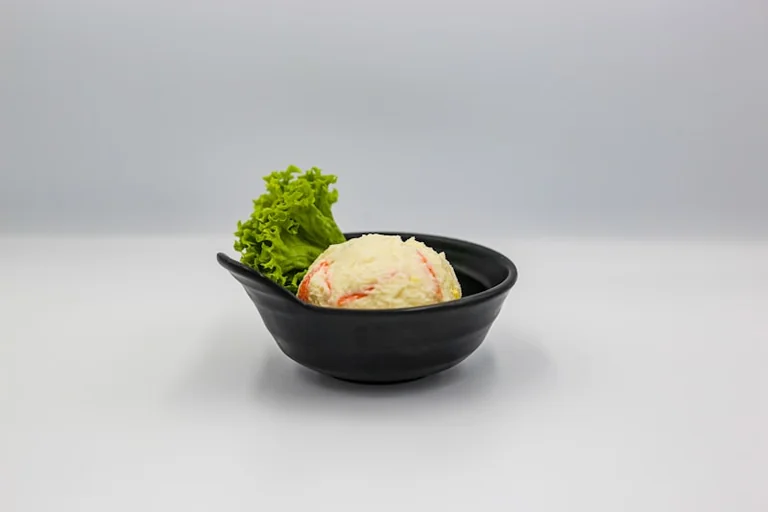
The easiest way to keep potato salad light is to use an acidic dressing first and treat any creamy ingredient as optional. Mustard helps emulsify the oil and lemon, so the dressing clings to the potatoes without needing mayonnaise.
If you want creaminess, add a small amount of Greek yoghurt, sour cream or vegan yoghurt after the salad has cooled to room temperature. Do not add yoghurt while the potatoes are very hot, as it can loosen or split.
For extra texture without heaviness, use finely sliced celery, radishes, spring onions or cornichons. These give crunch and sharpness, which makes the salad feel brighter and less dense.
Serving it for lunches and barbecues
For packed lunches, cool the salad quickly after dressing, then store it in a sealed container in the fridge. It is good with grilled chicken, tuna, chickpeas, boiled eggs, smoked tofu or leftover roast vegetables.
For barbecues, serve it cool or at room temperature rather than hot. Keep it covered and out of direct sun. As a practical food-safety rule, do not leave cooked potato salad sitting outside for more than 2 hours, and reduce that time in very hot weather. If it has been on a warm table for too long, discard leftovers rather than putting them back in the fridge.
If transporting the salad, chill it first and carry it in a cool bag with ice packs. Add delicate herbs just before serving if you want the freshest colour and aroma.
Storage and make-ahead notes
This salad keeps well in the fridge for up to 3 days in an airtight container. The flavour often improves after a few hours, although the herbs will soften over time.
If making it a day ahead, hold back half the herbs and a squeeze of lemon. Stir them through just before serving to refresh the salad. If the potatoes seem dry after chilling, loosen them with a teaspoon of olive oil and a little lemon juice.
Do not freeze this salad. Cooked new potatoes tend to become grainy after freezing and thawing, and the dressing loses its clean texture.
Method at a glance
- Scrub and halve any large new potatoes.
- Simmer in salted water for 15 to 20 minutes until tender.
- Drain well and let steam escape for 2 minutes.
- Whisk olive oil, mustard, lemon, zest, shallot and seasoning.
- Toss the warm potatoes through the dressing.
- Rest for 10 minutes, then add herbs and optional capers or celery.
- Taste, adjust and serve cool or at room temperature.
This is the kind of potato salad that suits early summer cooking because it is flexible. It can be sharp and herb-heavy for grilled fish, minty beside lamb, dill-led for lunchboxes or fully vegan for a mixed table.
Source: Editorial research
Source check Recipe method note
This recipe uses standard home-cooking methods: gentle boiling, warm dressing and chilled storage for cooked potato salads.
- Boil potatoes until just tender, not breaking apart
- Dress while warm so the potatoes absorb flavour
- Keep outdoor servings covered, chilled when possible and out of direct sun
- Discard potato salad left in warm outdoor conditions for too long
- Scope
- United Kingdom
- Updated
- 2026-05-31 13:24
Source check
Report a trust issue
Send a clear signal to community moderation if the source, facts or context need review.


Comments