From Kelmė to The Economist: The Illustrator Redefining Visual News
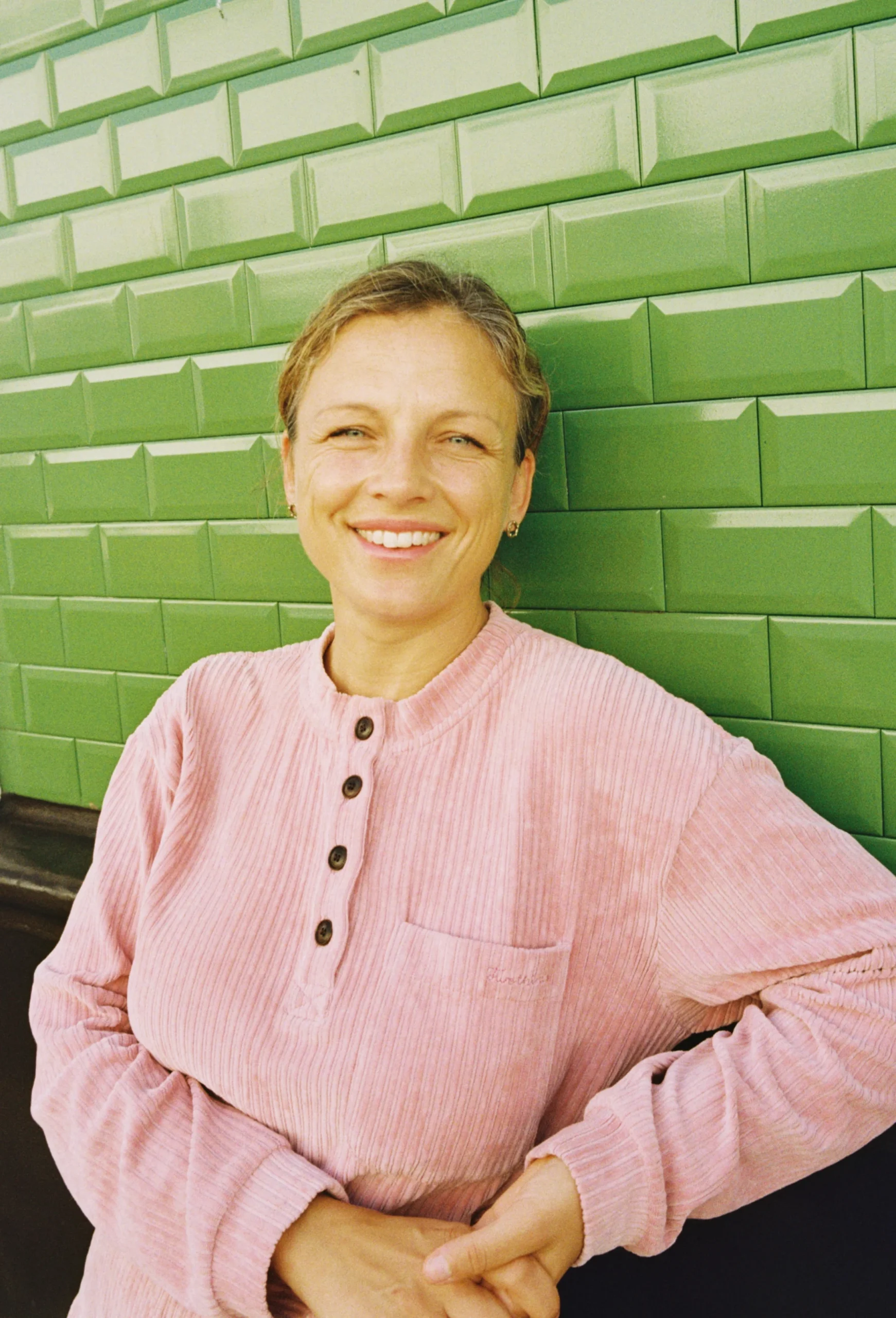
Eglė Každailytė’s path from a small town in Lithuania to the mastheads of the world’s most influential publications is a masterclass in the creative pivot. Today, her work is a staple in The Economist, The Guardian, and The Washington Post, but her journey began not in a London studio, but in the rural town of Kelmė, fueled by a curiosity that transcended local borders.
The Architectural Foundation
Každailytė’s professional story started with a leap into the unknown. Growing up in Kelmė, she had a natural affinity for drawing but sought a career that merged creativity with structural purpose. This led her to VILNIUS TECH, where she enrolled in the Jaunųjų architektų ir dizainerių mokykla (School of Young Architects and Designers). The commitment was significant; she commuted from Kelmė to Vilnius every weekend to prepare for entrance exams, eventually beating out dozens of applicants to secure her spot.
Her time studying architecture proved foundational, though perhaps not in the way she initially expected. “Architecture studies at VILNIUS TECH changed my life forever,” she recalls. “I learned how to create, but also how to start and finish complex projects. I learned conceptual thinking, drawing, and how forms and spaces relate to people.” However, a stint in urban planning during her final years revealed a disconnect. While she loved the theory of architecture, the day-to-day practice lacked the personal fulfillment she craved.
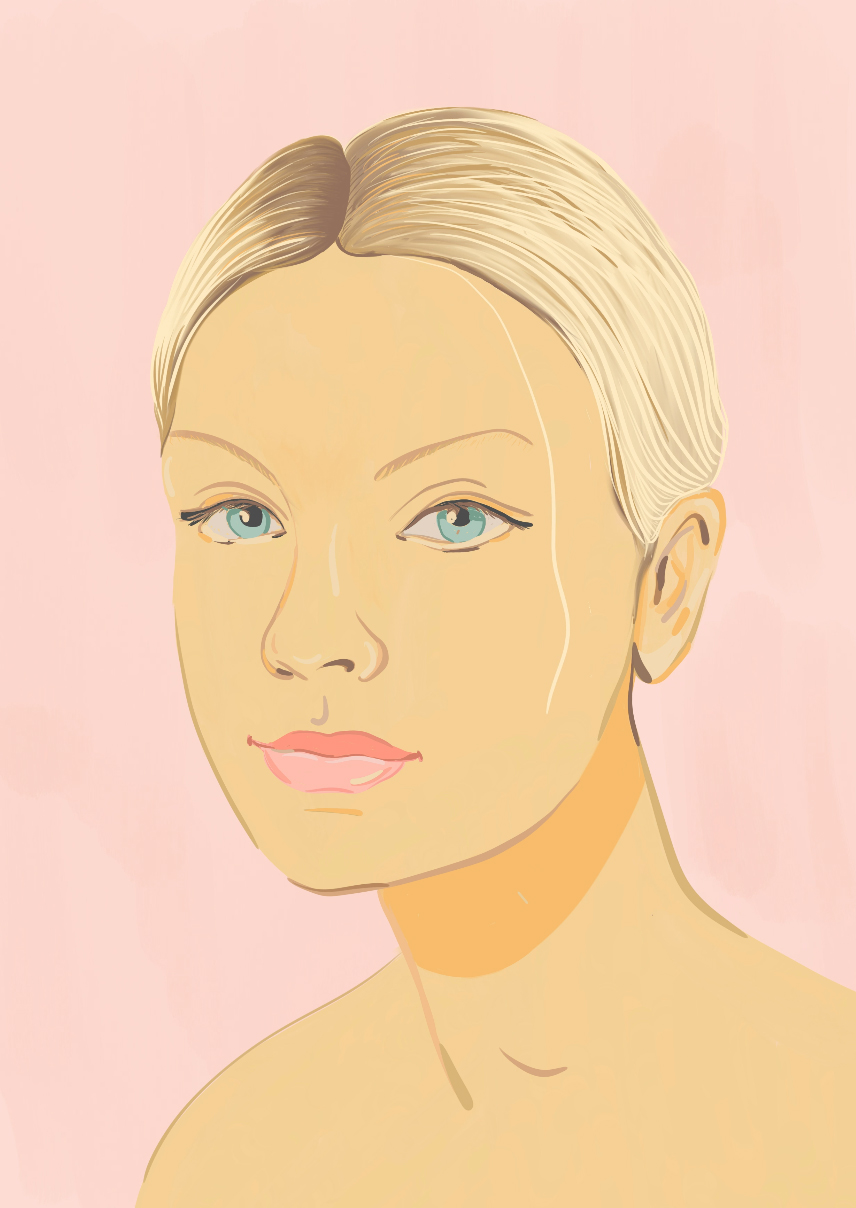
The London Epiphany: Illustration as Writing
Seeking a new direction, Každailytė moved to the Netherlands to study at the Amsterdam School of the Arts while working in Rotterdam’s high-pressure architectural firms. It was a period of intense growth, marked by personal milestones and the eventual realization that her true passion remained her oldest one: drawing.
Her subsequent move to London proved to be the turning point. In the UK’s creative capital, she transitioned into illustration and graphic design, discovering a fundamental difference in how the medium is perceived. “London still holds a special place in my heart,” she says. “There, I understood what illustration really is. In Lithuania, we often think it’s just aesthetics and pretty pictures, but the British taught me that the most important thing is the idea and the concept. Illustrating is very similar to writing.”

This conceptual approach—treating an image as a narrative tool rather than a decoration—became her signature. It allowed her to bridge the gap between complex political or economic reporting and the reader’s visual understanding.
From a Sailboat to The Economist
Každailytė’s career has been as mobile as her art. While working as a freelance illustrator for The Guardian and other prestigious outlets, she and her family lived in Singapore, India, New York, and Denmark. The story of how she landed her role at The Economist has become a piece of personal lore: she conducted her job interview via video call from a sailboat where she was living at the time.
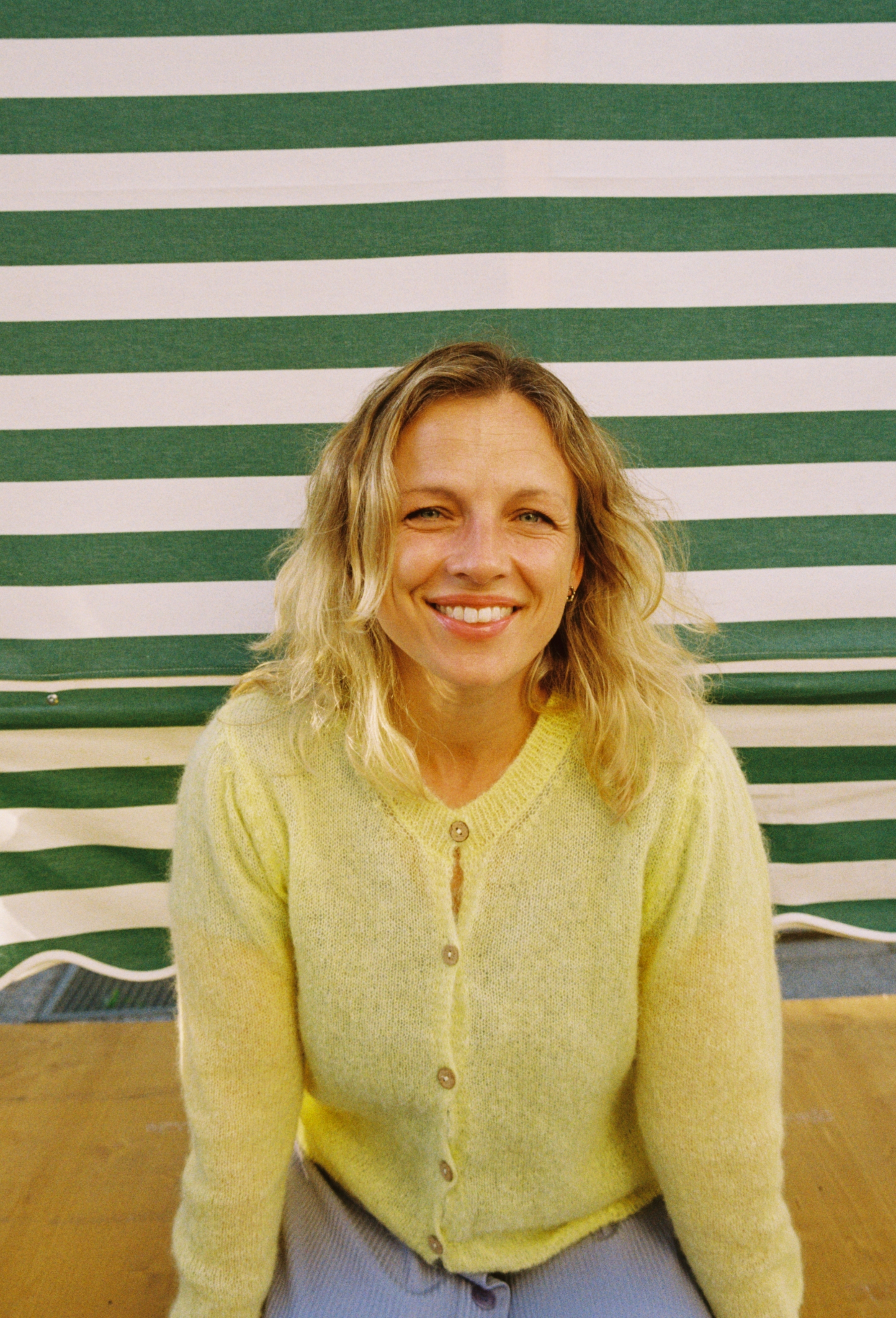
Her talent and unique worldview resonated. For the past seven years, she has been an integral part of The Economist team, contributing to the visual storytelling of major global events, including the war in Ukraine. Now based in a village in Spain, she maintains her connection to the London office with monthly visits, proving that global impact is no longer tethered to a specific desk.
Reflecting on her journey, Každailytė offers a piece of advice that challenges the traditional narrative of career persistence. “Don’t force yourself to do something you no longer want to do, just because you’ve put a lot of work and time into it,” she suggests. “Listen to your heart, but watch your hands. They know what to do much better than your head.”
Source: ELTA
Source check Source Intelligence
This profile is based on an interview originally published by the Lithuanian news agency ELTA, documenting the career of a prominent international illustrator.
- Verified Eglė Každailytė's contributions to The Economist and The Guardian.
- Confirmed VILNIUS TECH as the primary educational institution mentioned.
- Cross-referenced the professional shift from architecture to illustration via public portf...
- Source
- elta
- Scope
- Lithuania
- Updated
- 2026-05-19 07:12
Source check
Report a trust issue
Send a clear signal to community moderation if the source, facts or context need review.


Comments