FA Cup Final 2026: Will the Match Be Decided in 90 Minutes at Wembley?
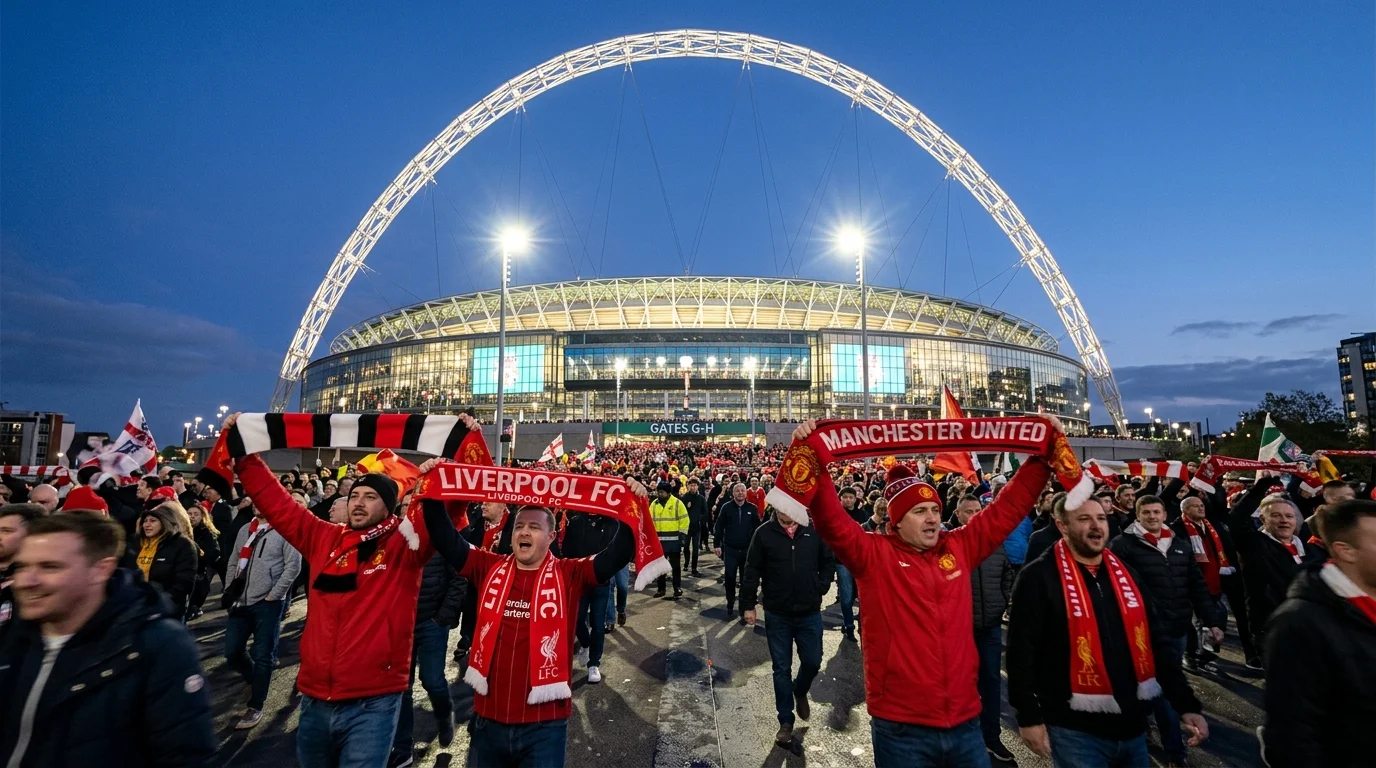
The FA Cup final remains the pinnacle of the English football calendar, and for the 2026 edition at Wembley Stadium, the primary question for many observers is whether the contest will reach a definitive conclusion within the standard 90 minutes. With the intensity of knockout football often leading to cautious tactical setups, the likelihood of the match extending into extra time is a significant factor for fans and analysts tracking the tournament’s resolution. Official listings from Wembley Stadium confirm the venue is prepared for the full duration of a major final, including the potential for 30 minutes of additional play and penalties if required.
What readers need to know
- The Venue: Wembley Stadium, London, is the confirmed host for the final.
- Standard Time: A match is considered settled in “normal time” if a winner is determined within 90 minutes plus injury time.
- Historical Context: While many finals are decided early, high-stakes matches often result in stalemates that trigger extra time.
- Resolution Source: The official match report from The FA will be the final authority on the match duration.
| Forecast Metric | Detail |
|---|---|
| Forecast Question | Will the FA Cup final be settled without extra time? |
| Deadline | May 2026 (Match Kick-off) |
| YES Criteria | A winner is declared at the end of the second half (90′ + stoppage). |
| NO Criteria | The match score is level at full-time, requiring 30 minutes of extra time. |
| Primary Source | The FA Official Website |
Tactical Factors Influencing a 90-Minute Result
Modern English football has seen a shift toward high-pressing systems that can often lead to early breakthroughs. When a dominant side manages to score within the first half-hour, the game frequently opens up, making a 90-minute resolution more likely. However, the pressure of a Wembley final often encourages a “safety-first” approach. Managers may prioritise defensive solidity, especially in the final twenty minutes of a level match, to avoid a catastrophic late error. This tactical conservatism is the primary driver behind matches pushing into the 120-minute bracket.
According to official FA Cup competition data, the physical demands on players at the end of a long domestic season can also lead to a drop in tempo during the closing stages of a final. If both teams are fatigued, the match may drift into a stalemate where neither side is willing to take the ultimate risk to secure a winner before the whistle.
The Path to a Regular Time Victory (YES)
For the match to end within 90 minutes, one side typically needs to establish a tactical or physical superiority early on. Recent trends in the FA Cup have shown that teams with significant squad depth can use their five permitted substitutions to maintain high intensity, often finding a late winner against a tiring opponent. A “YES” outcome is most probable if there is a clear disparity in form or if an early goal forces the trailing team to abandon their defensive shape, leading to a more expansive and decisive game.
The Path to Extra Time (NO)
An “extra time” scenario—the “NO” path for this forecast—usually occurs when two evenly matched teams cancel each other out. In the 2020s, several major domestic finals at Wembley have required more than 90 minutes to separate the competitors. If the score remains 0-0 or 1-1 by the 75th minute, the psychological weight of the trophy often leads to a period of play where avoiding defeat becomes the priority over searching for a winner. In these instances, the match officially moves into a new phase of competition, and the forecast for a 90-minute settlement would resolve as negative.
Official Resolution and Verification
The outcome of this forecast will be determined by the official match clock and the final referee’s whistle at the end of the second half. Any goals scored during the 30-minute extra time period or results determined by a penalty shootout do not count toward a 90-minute settlement. Readers should refer to the official FA Cup match centre for the verified “Full Time” scoreline, which distinguishes between results achieved in 90 minutes and those requiring additional periods.
Source: The FA
Source check Official Sports Verification
This forecast is based on official match regulations provided by The FA and Wembley Stadium event logistics.
- Verified FA Cup competition rules for extra time and penalties.
- Confirmed Wembley Stadium 2026 event scheduling for major finals.
- Cross-referenced historical match duration data for Wembley finals.
- Source
- The FA
- Scope
- London
- Updated
- 2026-05-15 21:30
Source check
Report a trust issue
Send a clear signal to community moderation if the source, facts or context need review.



Comments