Asparagus, Pea and Mint Risotto for Early June
By Munisha Food Desk
Published 3 June 2026
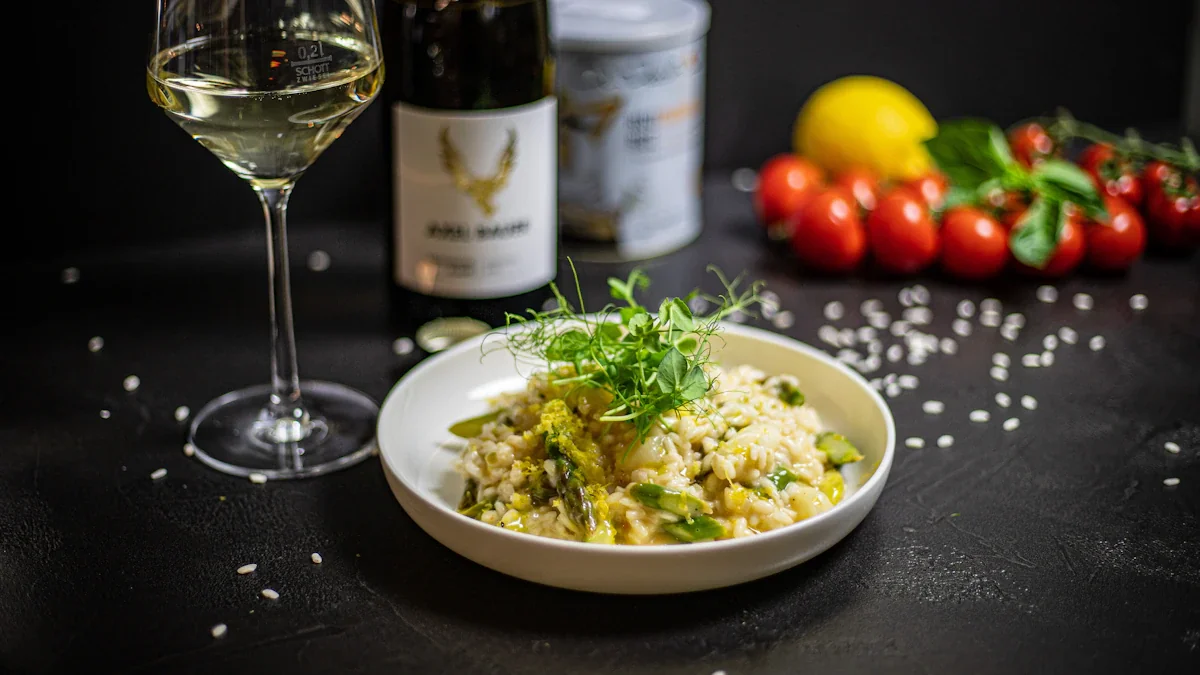
This asparagus, pea and mint risotto is a lighter early-June dinner built around UK late-spring vegetables, pantry rice and a few fresh finishing touches, much like a seasonal June risotto that makes the most of broad beans and herbs. It is creamy without being heavy, works on a weeknight, and gives you clear timings for when to add the asparagus and peas so they stay bright rather than overcooked.
The method keeps the stock hot, adds the asparagus in two stages, and stirs in the peas near the end. That gives the rice time to release starch while the vegetables keep their shape, colour and fresh flavour.
Ingredients for a bright early-summer risotto
Serves 4
- 1.2 litres vegetable or light chicken stock
- 1 tbsp olive oil
- 25g butter, plus 10g to finish
- 1 medium onion, finely chopped
- 2 garlic cloves, finely chopped
- 300g risotto rice, such as arborio or carnaroli
- 125ml dry white wine, or extra stock
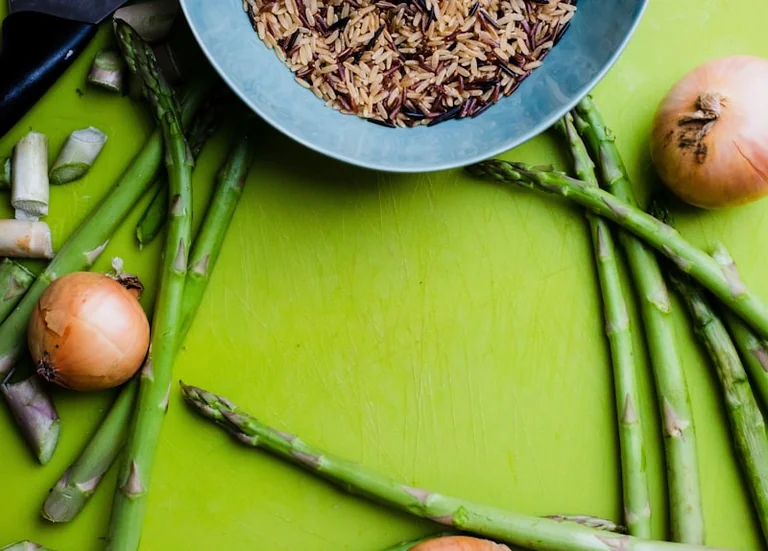
- 250g asparagus, woody ends trimmed
- 150g peas, fresh or frozen
- 40g Parmesan or vegetarian hard cheese, finely grated
- 1 small handful fresh mint leaves, finely chopped
- 1 lemon, zested, with a squeeze of juice to finish
- Salt and black pepper
Keep frozen peas in mind if you are cooking to a budget. They are usually cheaper than fresh peas, need no podding, and can go straight into the pan from frozen in the final minutes.
Timing and stock temperature matter
Risotto cooks best with hot stock, not cold stock. Keep the stock in a small saucepan at a gentle simmer beside your risotto pan. If you add cold stock, the rice cools each time and the cooking becomes uneven.
For this recipe, the rice takes about 25 to 30 minutes once the first ladle of stock goes in. The full meal takes about 45 minutes, including chopping and finishing.
Slice the asparagus spears into 3cm pieces. Keep the tips separate from the thicker stem pieces. The stems can handle a little more cooking, while the tips only need a short time to stay tender and green.
Method: how to cook asparagus, pea and mint risotto
-
Warm the stock in a saucepan and keep it at a low simmer. It should be steaming, not boiling hard.
-
Heat the olive oil and 25g butter in a wide, heavy pan over a medium heat. Add the onion with a pinch of salt and cook for 6 to 8 minutes, stirring often, until soft but not browned.
-
Stir in the garlic and cook for 1 minute. Add the risotto rice and stir for 2 minutes, until the grains look glossy around the edges.
-
Pour in the wine, if using, and stir until it has mostly evaporated. If you are skipping wine, add a ladle of hot stock instead.
-
Add the hot stock one ladle at a time, stirring regularly. Let each ladleful absorb before adding the next. Keep the pan at a steady, gentle bubble.
-
After about 12 minutes, stir in the sliced asparagus stems. Continue adding stock and stirring as the rice cooks.
-
After about 20 minutes, add the asparagus tips and peas. If using frozen peas, add them straight from frozen. Cook for another 4 to 6 minutes, until the rice is creamy but still has a slight bite.
-
Take the pan off the heat. Stir in the remaining 10g butter, the grated cheese, lemon zest and most of the mint. Cover and rest for 2 minutes.
-
Taste and adjust with salt, black pepper and a squeeze of lemon juice. Serve with the remaining mint scattered over the top.
How to know when the risotto is ready
The finished risotto should spread slowly on the plate rather than sit in a stiff mound. If it looks tight, stir in a splash more hot stock before serving.
The rice should be tender with a small bite at the centre. The asparagus should be green and just tender, and the peas should taste sweet rather than dull. If the rice is ready before you have used all the stock, stop adding it. If it needs longer, add a little boiling water.
Vegetarian variation and flexible swaps
Use vegetable stock and a vegetarian hard cheese to make the dish suitable for vegetarians. Parmesan is traditionally made with animal rennet, so check the label if that matters for your table.
No white wine is required. Extra stock and a little lemon at the end will still give the risotto lift. If you do not have mint, basil or flat-leaf parsley can work, although mint gives the freshest early-summer flavour.
You can add a spoonful of soft goat’s cheese, mascarpone or crème fraîche at the end for a richer finish. For a lighter plate, keep the cheese modest and let the lemon zest, mint and vegetables carry the flavour.
Storage and leftovers
Cool leftovers quickly, transfer them to an airtight container and refrigerate within 2 hours. Eat within 2 days.
To reheat, put the risotto in a pan with a splash of water or stock. Warm gently, stirring until hot throughout. The rice will thicken as it sits, so do not expect leftovers to have exactly the same loose texture as the freshly cooked dish.
Avoid reheating the same portion more than once. If you know you will have leftovers, chill them in shallow containers so they cool evenly.
Source: Editorial research
Source check Recipe method note
This recipe uses standard risotto technique with hot stock, staged vegetable cooking and clear leftover storage guidance.
- Stock is kept hot throughout cooking.
- Asparagus stems and tips are added at different times.
- Peas are added near the end to preserve colour.
- Leftovers are cooled quickly and refrigerated.
- Scope
- United Kingdom
- Updated
- 2026-06-14 13:28
Source check
Report a trust issue
Send a clear signal to community moderation if the source, facts or context need review.



Comments